Most depot charging installations are specified once, for the fleet size on day one. That single decision quietly determines whether the site is still fit for purpose in three years, or whether it needs a rebuild before the original equipment has finished depreciating.
Get the sizing wrong in either direction and it costs money. Get it wrong in the second direction, and it costs the site an outage while the rebuild happens.
The Two Ways Fixed-Capacity Sizing Fails
A conventional depot charging installation is specified as a single fixed system: one transformer, one switchgear rating, one set of cable runs, sized for a specific number of bays at a specific power level. That number gets chosen once, usually early in a project, often before the fleet procurement plan is finalised. It fails in one of two directions.
Oversizing. Specify capacity for the fleet you expect to have in five years, and the site pays for a grid connection and switchgear rated for vehicles that haven't arrived yet. That capital sits idle, the DNO connection charge scales with the capacity requested, and if the fleet rollout slips (which fleet rollouts do), the site has overpaid for headroom it may not use for years.
Undersizing. Specify capacity for the fleet you have today, and growth becomes a rebuild, not an expansion. A fixed transformer and switchgear rating has a hard ceiling. Once the fleet grows past it, the options are a new transformer, new switchgear, often a new DNO application, and re-trenching cable runs that were sized for the original, lower capacity. That process can take as long as the original installation, and it usually means downtime for the bays that are already running while the rebuild happens around them.
The pattern to watch for: if a depot's charging capacity is a single number baked into the transformer spec, the depot has already picked a side. It will either overpay now or rebuild later. There is no third option, unless the architecture itself is modular.
Master-Satellite: Decoupling Capacity From Day-One Bay Count
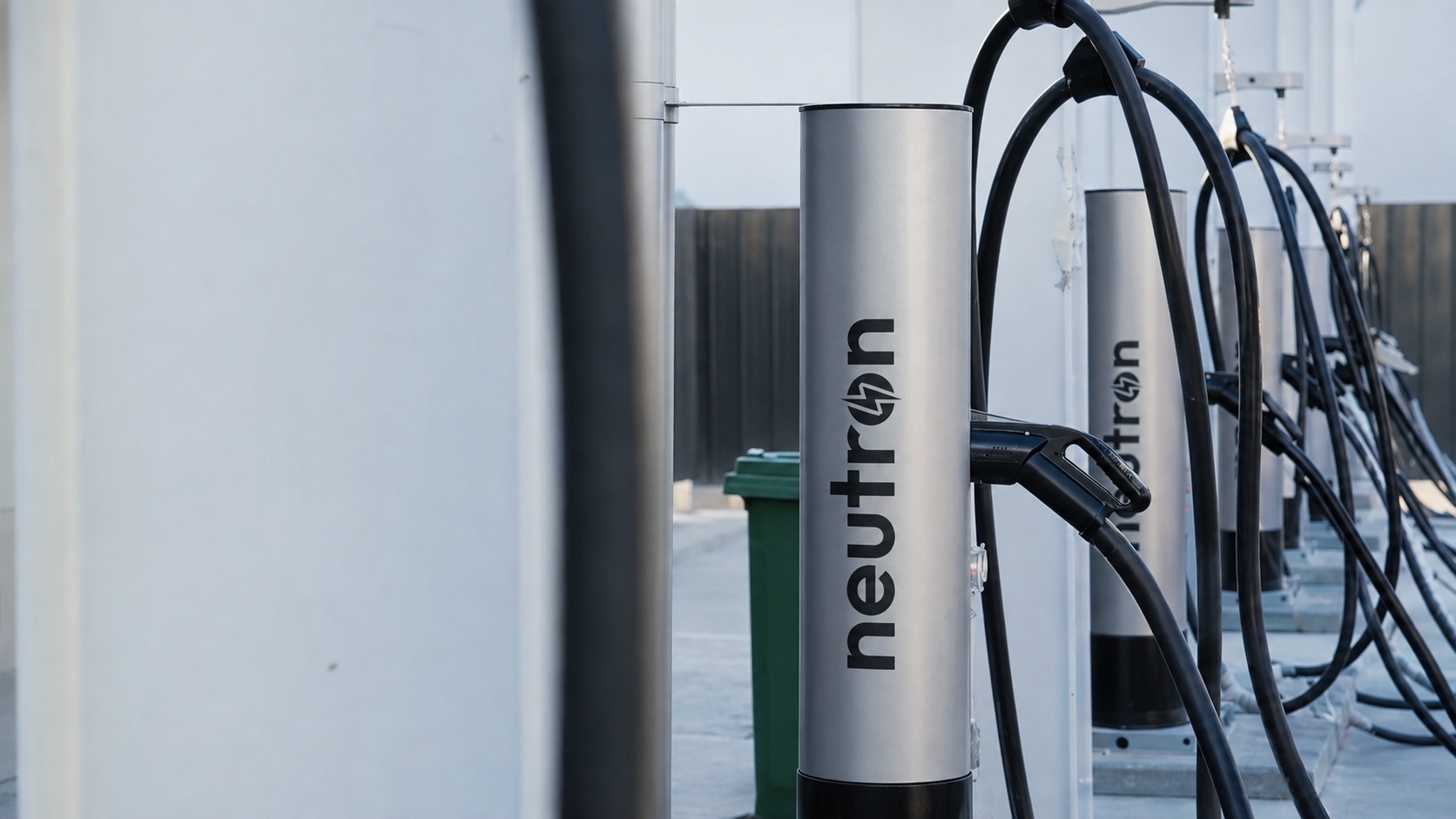
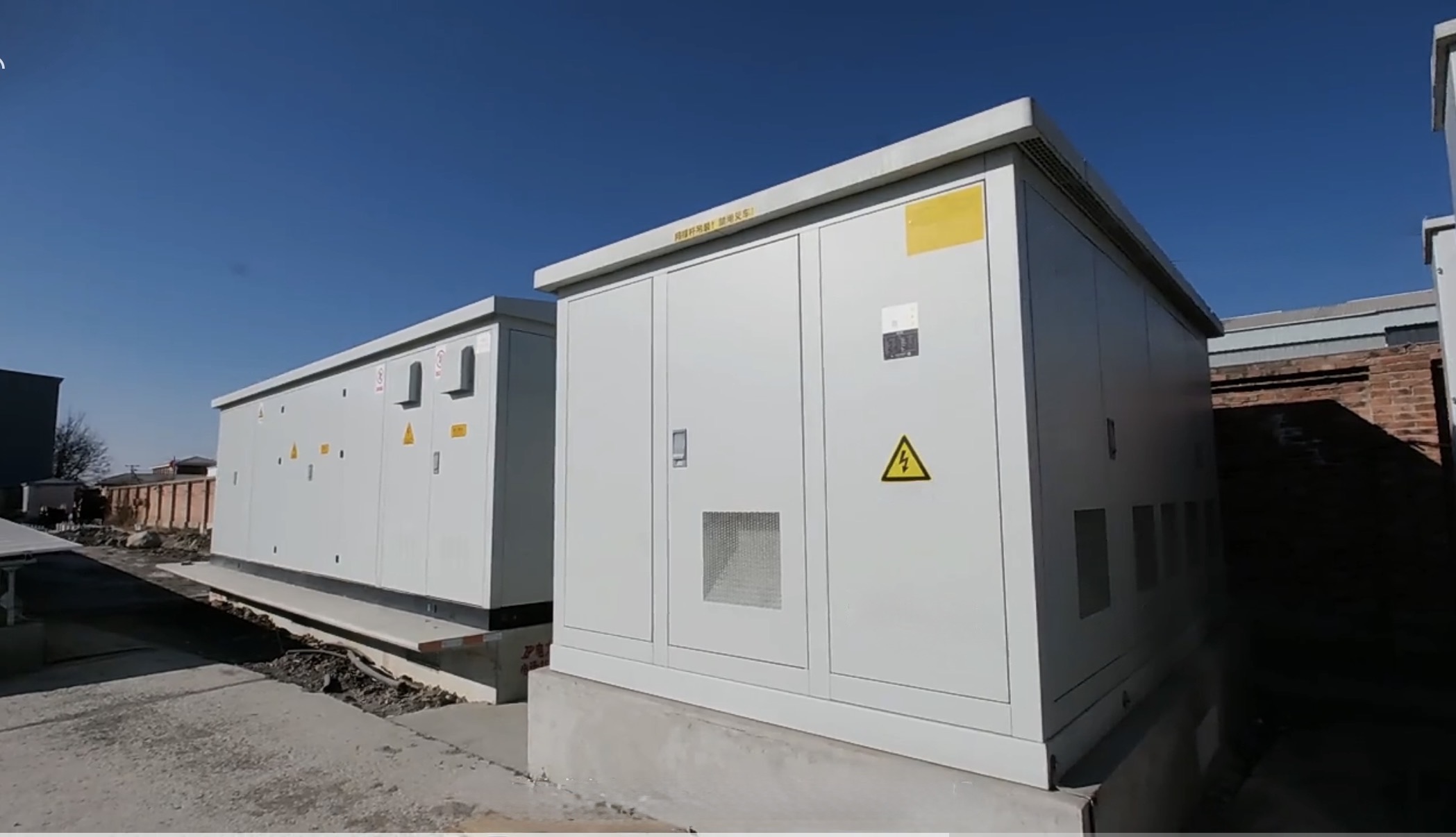
Neutron's Modular Group Charging System (MGCS) separates two things that a fixed system bolts together: how much power the site can deliver, and how many bays it has. A central Master Unit converts AC grid supply to DC and distributes it across satellite charging terminals over a shared DC bus. Additional Master Units can be added to the same bus later, in 240 kW increments, without touching the terminals or bays that are already installed.
| Layer | Fixed-capacity architecture | Master-Satellite architecture |
|---|---|---|
| Scaling unit | Whole-system rebuild (new transformer, new switchgear) | 240 kW Master Unit, added to existing DC bus |
| Growth path | Re-trench, re-permit, re-apply to DNO | Add a cabinet; existing bays stay live throughout |
| Maximum system output | Fixed at original spec | 240 kW → 960 kW across 4 units, same DC bus |
| Power allocation to bays | Fixed per bay | Full-matrix: routed to whichever terminal is actively charging |
Why This Compounds as the Depot Grows
Full-matrix routing (any master module serving any connector gun, rather than a fixed allocation per bay) is what makes MGCS efficient at a single point in time: see our transformer sizing comparison for the worked capacity math on that. The part that matters for a growing fleet is what happens to that gap over time. A fixed-allocation design has to keep adding guaranteed capacity for every new bay. A full-matrix design adds Master Units against measured peak demand, which typically grows more slowly than bay count, because not every new vehicle arrives in the same window. The site that got the sizing right on day one stays right for longer under full-matrix than it would under a fixed-allocation design with the same starting capacity.
Growing the Fleet Without Rebuilding the Site
The practical test of a modular architecture is what happens eighteen months after commissioning, when the fleet has grown and the depot needs more power than it started with.
On MGCS, that growth is a cabinet, not a construction project. Additional Master Units connect to the existing DC bus in 240 kW increments, up to a maximum of four units (960 kW) per bus. The satellite terminals already on site keep running throughout, since the new master is added to the shared bus rather than replacing anything already installed. There is no bay reorganisation, and no window where existing chargers are offline while the new capacity comes online.
One Master, Every Connector Format
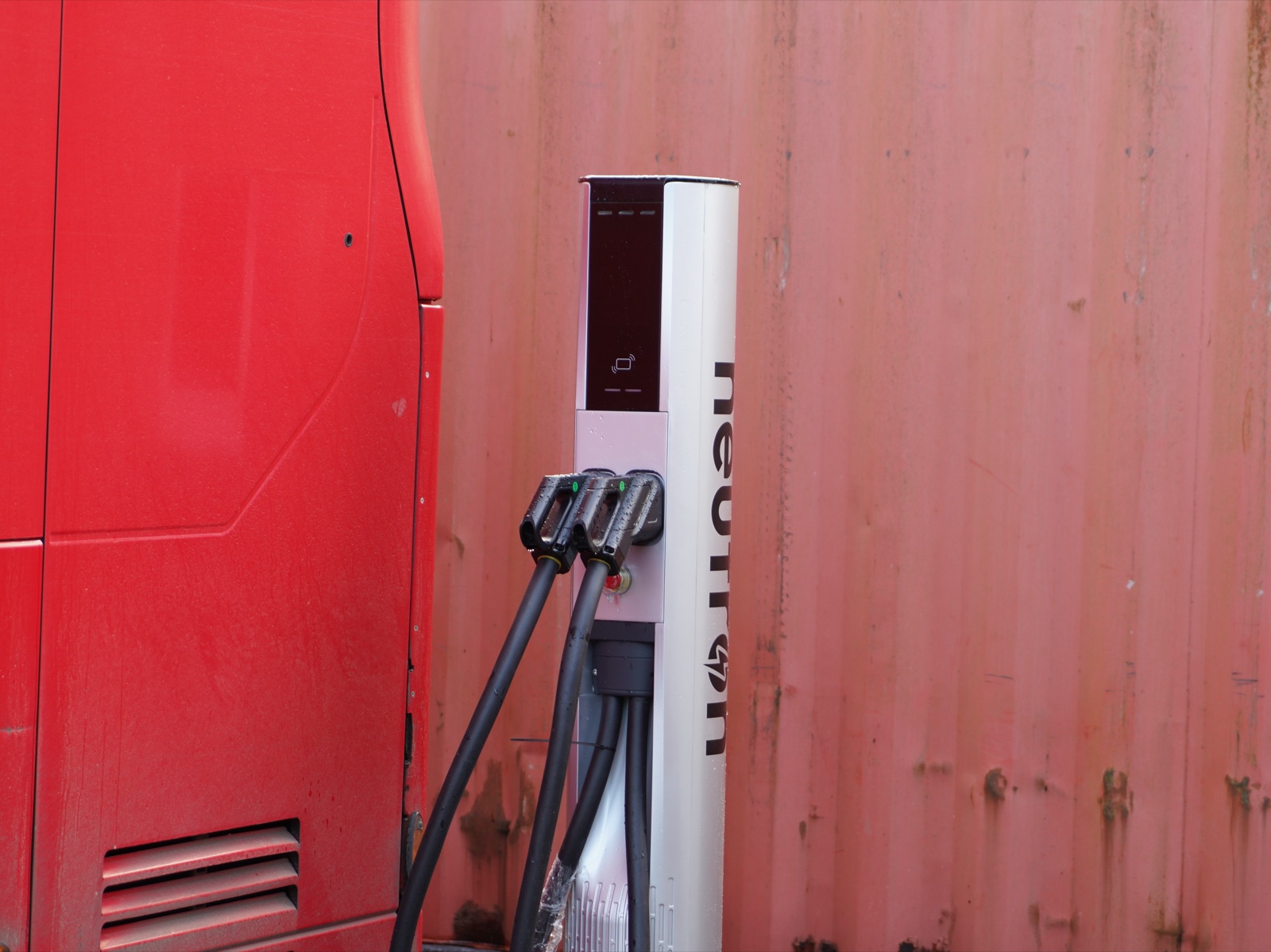
Fleet growth doesn't always mean more of the same vehicle. A depot that starts with vans often adds HGVs, and a depot built for one connector format can find itself needing another as the fleet mix changes. A single Neutron Master Unit can power any combination of terminal types on the same DC bus: DC Satellite Terminals, In-Ground Chargers, Overhead Drop-Down Connectors, MCS terminals for heavy vehicles, Auto-charge terminals for unmanned depots, and Pantograph terminals for bus roof-contact charging. Different bays can use different terminal types without needing a separate master per format.
No Excavation, No Reorganisation When You Scale
Scaling a fixed-capacity system usually means civil works: new trenching for a bigger cable run, a new plant room for a bigger transformer, and a construction programme that competes with the depot's own operating hours. Neutron's Rapid Deployment Base System (RDBS) is designed to remove that dependency at both ends of the scaling curve. The RDBS Master Unit Base and Terminal Bases mount the full 240 to 960 kW MGCS installation without excavation, so both the original build and every subsequent capacity addition can go in without breaking ground.
Frequently Asked Questions
Why does oversizing a depot's charging capacity waste money?
Specifying grid connection and switchgear capacity for a fleet size several years out means the site pays DNO connection charges and capital cost for capacity that sits unused until the fleet actually grows into it. If the fleet rollout is delayed, which is common, that headroom can sit idle, and paid for, for years.
What happens when a fixed-capacity charging system runs out of capacity?
A fixed-capacity system that is undersized for a growing fleet typically requires a full rebuild: a larger transformer, new switchgear, and often a new grid connection application, along with re-trenching cable runs sized for the original lower capacity. This can take as long as the original installation and usually means downtime for existing bays during the rebuild.
How long does it take to add capacity to a Master-Satellite charging system?
Adding a Master Unit to an existing Modular Group Charging System installation does not require the civil works, re-permitting, or DNO reapplication that a fixed-capacity rebuild does. Because the new unit joins the same DC bus and, where the Rapid Deployment Base System is used, mounts without excavation, the addition is closer to an equipment installation than a construction project.
Does adding a Master Unit require taking existing charging bays offline?
No. Because additional Master Units connect to the same shared DC bus rather than replacing existing equipment, the satellite terminals and bays already in service keep operating throughout the upgrade.
Size your depot for growth, not just day one.
Neutron's Modular Group Charging System scales from 240 kW to 960 kW on the same DC bus, with no hardware replacement and no bay reorganisation as your fleet grows.
See the Modular Group Charging specification →