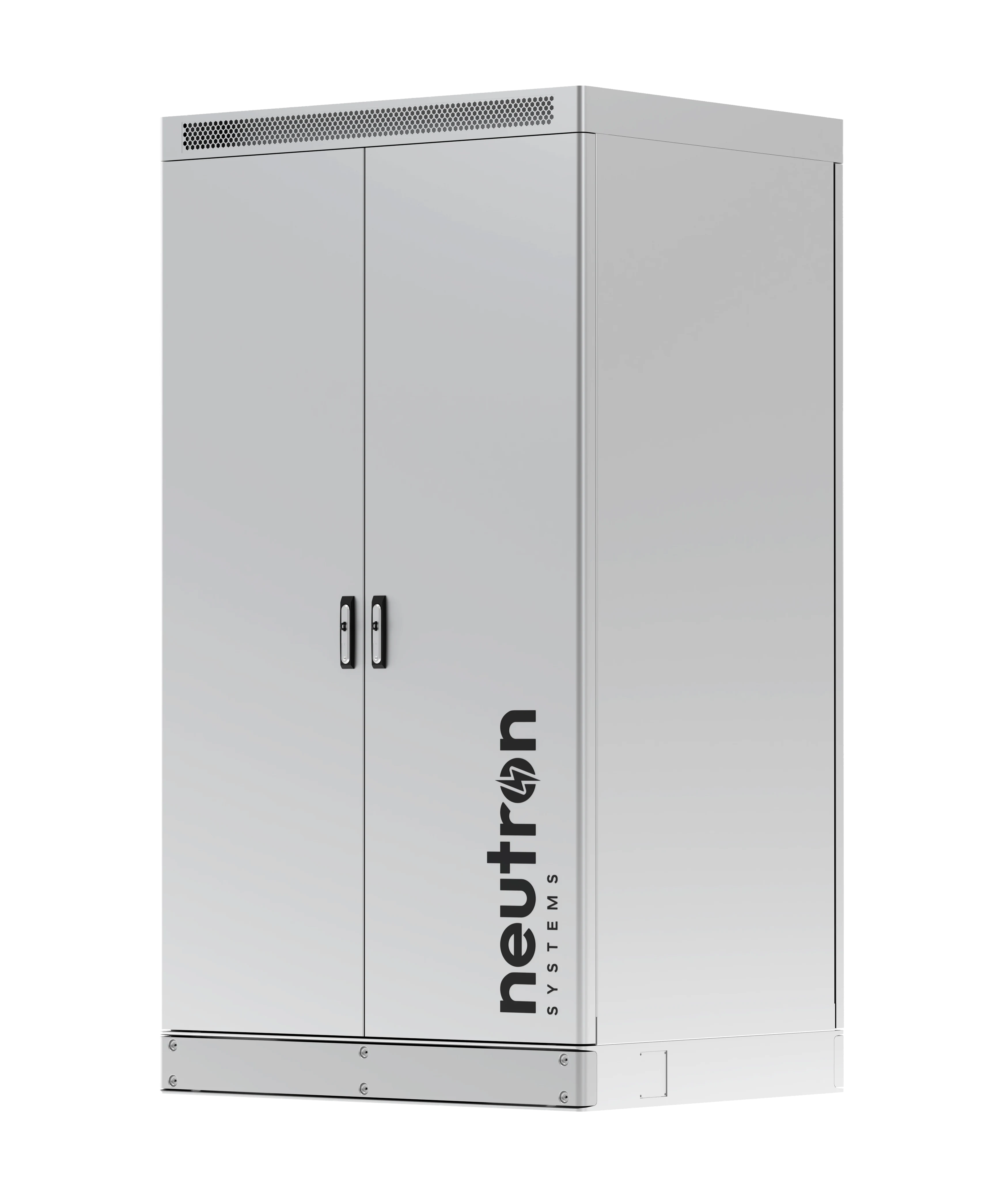
Electric Bus Charger and Depot Charging Systems.
Smart depot charging for electric buses and coaches. Automated overnight scheduling, demand management, and ZEBRA-eligible infrastructure for UK and European fleet operators.
A fleet of 20 buses returning at 20:00 and all plugging in simultaneously can demand 4–8 MW in the first hour, far beyond most DNO connection allowances. Without smart scheduling, operators face DNO penalty charges, curtailment events, or simply can't charge all vehicles before the morning shift.
One architecture covers depots from 10 to 500 buses. The Fleet Master handles dynamic load distribution; BESS absorbs overnight cheap-rate energy; Electron CMS schedules every bay against each vehicle's departure time and route requirement.
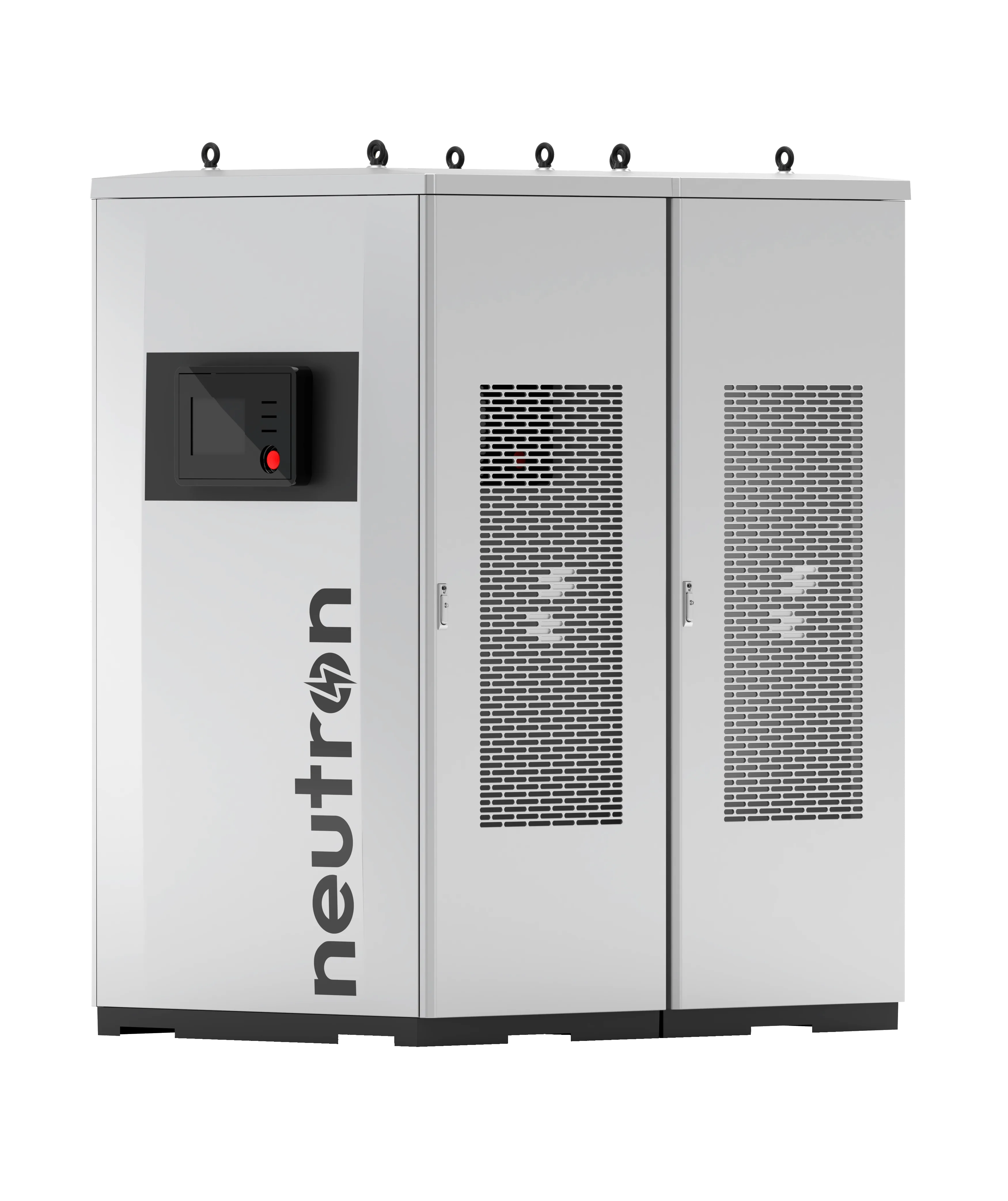
240 or 480 kW centralised power module distributes to up to 6 satellite terminals. Dynamic load sharing ensures maximum utilisation of every kW within the DNO limit.
View specifications
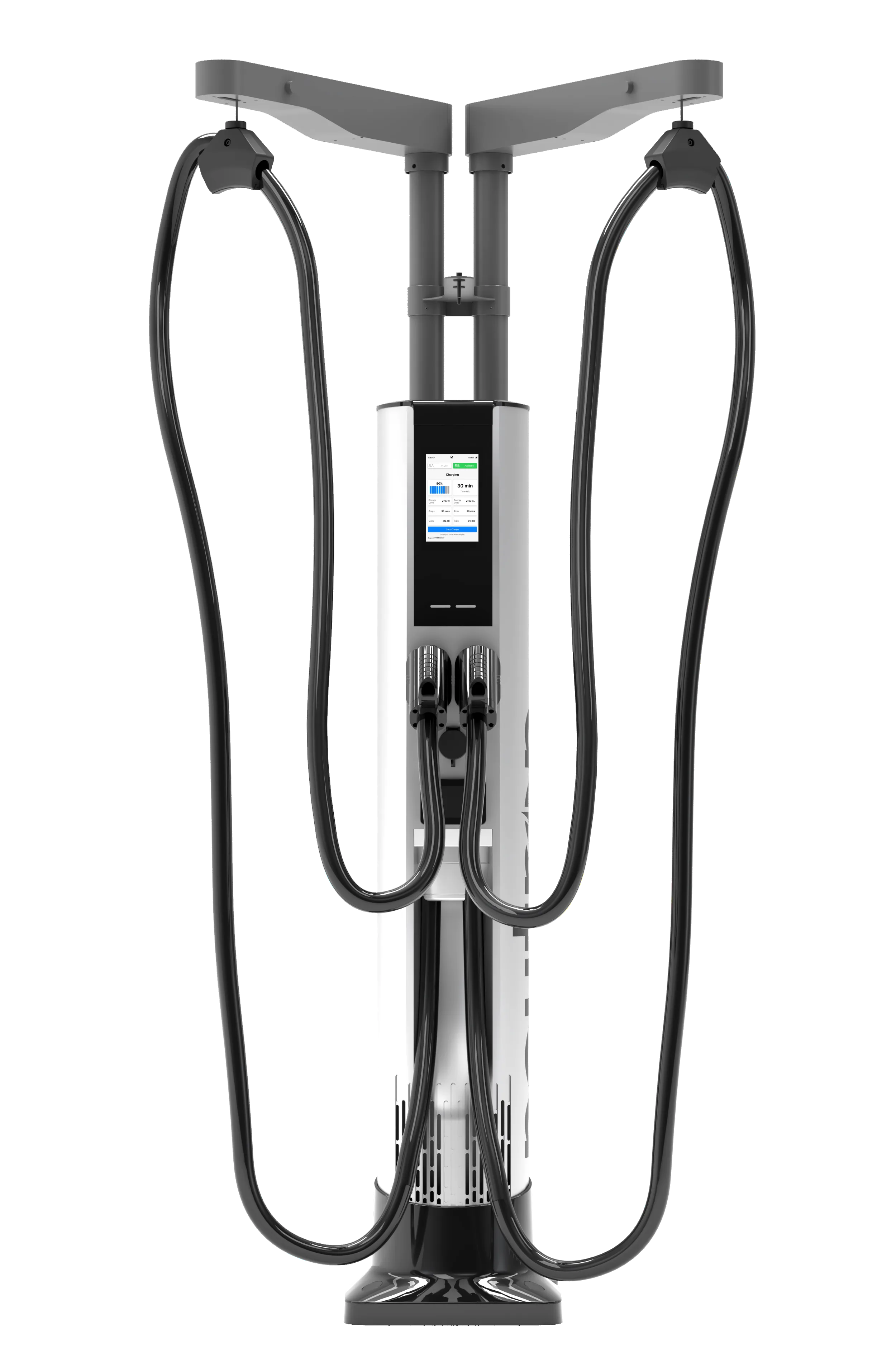
200 kW per bay via CCS2. Dual-gun configuration supports two vehicles simultaneously per terminal. IP54/IK10 rated for outdoor depot environments.
View specifications
Power Hub 215 kWh units stack to absorb off-peak grid energy and discharge during demand peaks, reducing DNO demand charges and unlocking additional charging capacity.
View Power HubElectron CMS ingests the next day's route schedule and automatically builds a charging plan that maximises cheap overnight rates, stays within the DNO limit, and guarantees every vehicle reaches its required departure SOC.
Neutron bus charging infrastructure meets every UK and EU compliance requirement for zero-emission bus procurement funding.
Free, detailed guides to every UK government grant available for fleet depot electrification.
Neutron manages the full delivery: DNO application, civil works coordination, hardware installation, CMS commissioning, and driver onboarding.
Bus coach depot renovation projects (resurfacing, bay reconfiguration, covered structures) are the lowest-disruption window to install charging infrastructure. Civil works are already in progress, grid connection applications can run in parallel, and hardware goes in before the depot returns to full operation.
Neutron coordinates directly with your principal contractor. We handle the DNO application, power modelling, hardware specification, and ZEBRA grant application, so your renovation delivers a fully electrified depot rather than one requiring another round of disruption six months later.
Discuss your renovation projectFleet operators selecting an electric bus charger for a new or upgraded depot face decisions that affect civil cost, grid headroom, and operational flexibility for 15 or more years. The right bus charging system is not simply the highest-power unit: it is the one that fits within your DNO connection, scales with your fleet, and integrates with your existing scheduling software.
Most bus chargers are rated per bay: 50 kW, 100 kW, or 300 kW. But the figure that determines infrastructure cost is total depot power. A 30-bay depot with 100 kW per bay chargers demands 3 MW simultaneously if all buses charge at once — likely well beyond a typical DNO limit of 500 kW to 1 MW. Smart depot charging systems allocate power dynamically, so total installed capacity can be 3 to 5 times the grid connection without curtailment.
Bus chargers designed for overnight dwell charging typically operate at 50 to 150 kW per bay. Opportunity charging during driver breaks or terminus stops requires 300 kW or more to recover range in 10 to 20 minutes. Neutron bus charging systems support both modes from the same infrastructure: the master unit distributes available grid capacity to whichever bays need it most at any given time.
CCS2 (Combined Charging System Type 2) is the standard connector on most new electric buses and coaches. Pantograph charging (overhead or inverted) suits high-throughput operations where manual plug-in at every bay is impractical. In-ground connectors eliminate standing equipment entirely, allowing buses to drive straight over the charging point. All three connector types can operate from the same Neutron master unit and satellite terminal hub.
Bus operators running zero-emission fleets can access ZEBRA 2.0 scheme funding, which covers both the vehicle procurement premium and depot charging infrastructure as part of a bus procurement bid. The OZEV Depot Charging Scheme, which previously covered up to 75% of infrastructure costs, closed on 30 June 2026. Neutron prepares ZEBRA bid documentation as part of the project delivery and will advise on the current funding landscape during the depot assessment.
Neutron's fleet depot charging system delivers up to 300 kW per bay for electric buses, with total depot capacity scaling from 200 kW to over 4 MW depending on site requirements. The Master-Terminal architecture uses dynamic load balancing so total grid capacity is shared intelligently across all bays rather than allocating a fixed high-power connection to each bay.
Yes. Neutron's bus depot charging systems are compatible with ZEBRA (Zero Emission Bus Regional Areas) scheme requirements. The infrastructure supports OCPP 2.0.1 for interoperability, delivers the power levels required for overnight and opportunity charging of zero-emission buses, and integrates with depot energy management systems to meet scheme bid criteria.
Neutron's rapid deployment model can have a bus depot charging system live within 60 days of order confirmation for the first phase. Containerised power conversion units arrive pre-wired and pre-tested, significantly reducing on-site installation time. Full-scale multi-hundred-bay depot builds are phased across a longer timeline depending on civil works and grid connection lead times.
Neutron's Electron Grid EMS applies dynamic load balancing to distribute available grid capacity across all active charging bays in real time. If grid capacity is constrained, the system prioritises buses by departure time and state of charge. Battery energy storage (BESS) can be integrated to supplement grid supply during peak demand periods, reducing peak demand charges and avoiding costly DNO connection upgrades.
We'll model your depot, size the system, and walk you through the ZEBRA funding application, at no cost.
Product enquiries, project scoping, and partnership opportunities. Our engineering team responds within one business day.