EV Depot Charging. Every shift covered.
Mixed AC and DC depot charging for electric vans and HGVs. Smart scheduling integrates with your TMS to guarantee every vehicle is ready for the morning shift, within your DNO connection limit.
Logistics operators face a brutal electrification constraint: vans return between 18:00 and 21:00, must leave again by 06:00, and the depot's DNO connection may only support a fraction of unmanaged charging demand. Without intelligent scheduling tied to your TMS route data, some vehicles don't complete charging, and routes get cancelled.
A single integrated architecture handles every vehicle type in your logistics depot, from 7 kW overnight AC charging for last-mile vans to 200 kW DC fast charging for heavy goods vehicles, all managed within your DNO limit.
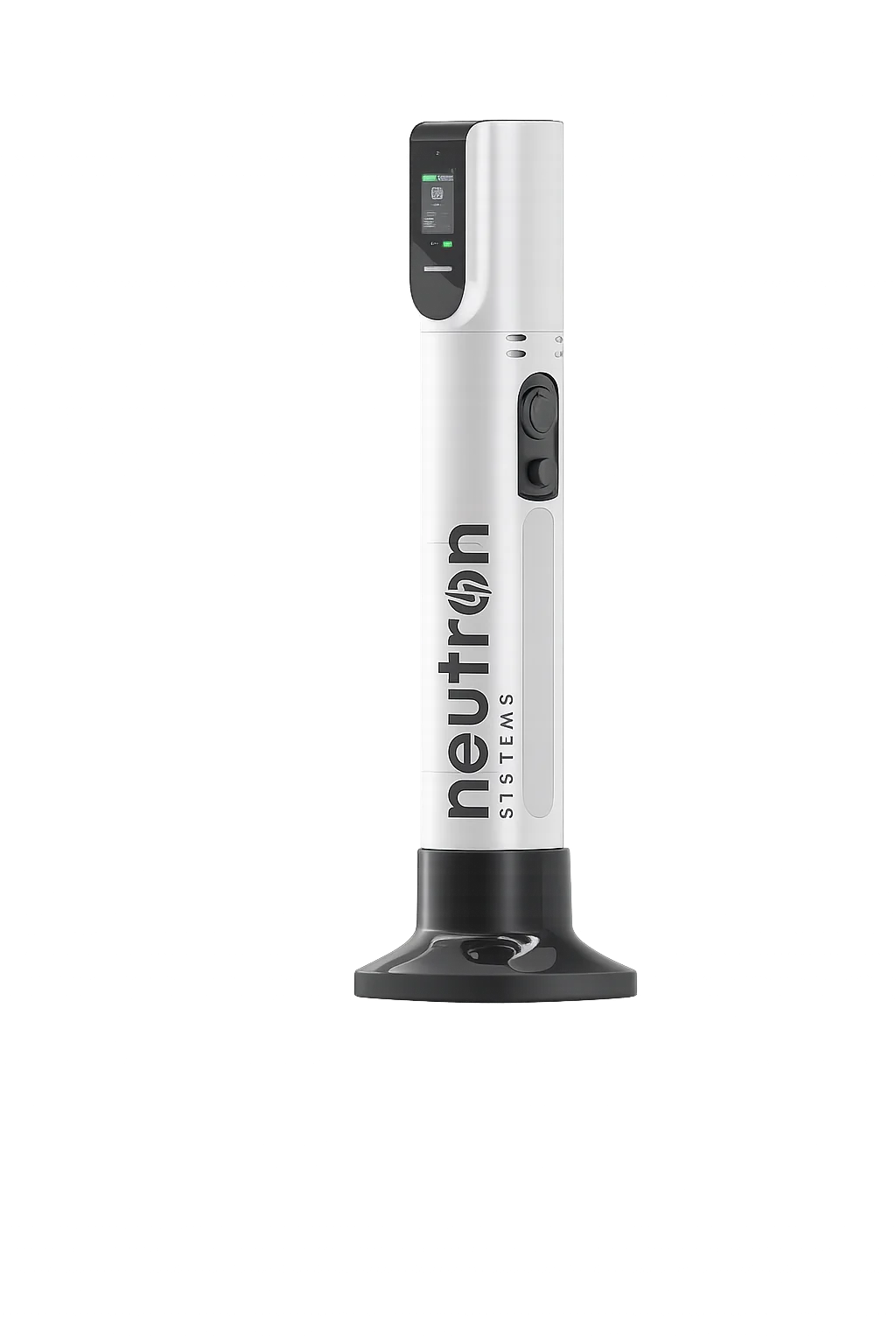
7 kW or 22 kW Type 2 AC chargers for electric delivery vans. Overnight smart charging with OCPP 2.0.1 load management. Ideal for large fleets where overnight AC is sufficient to restore full range.
AC charger range
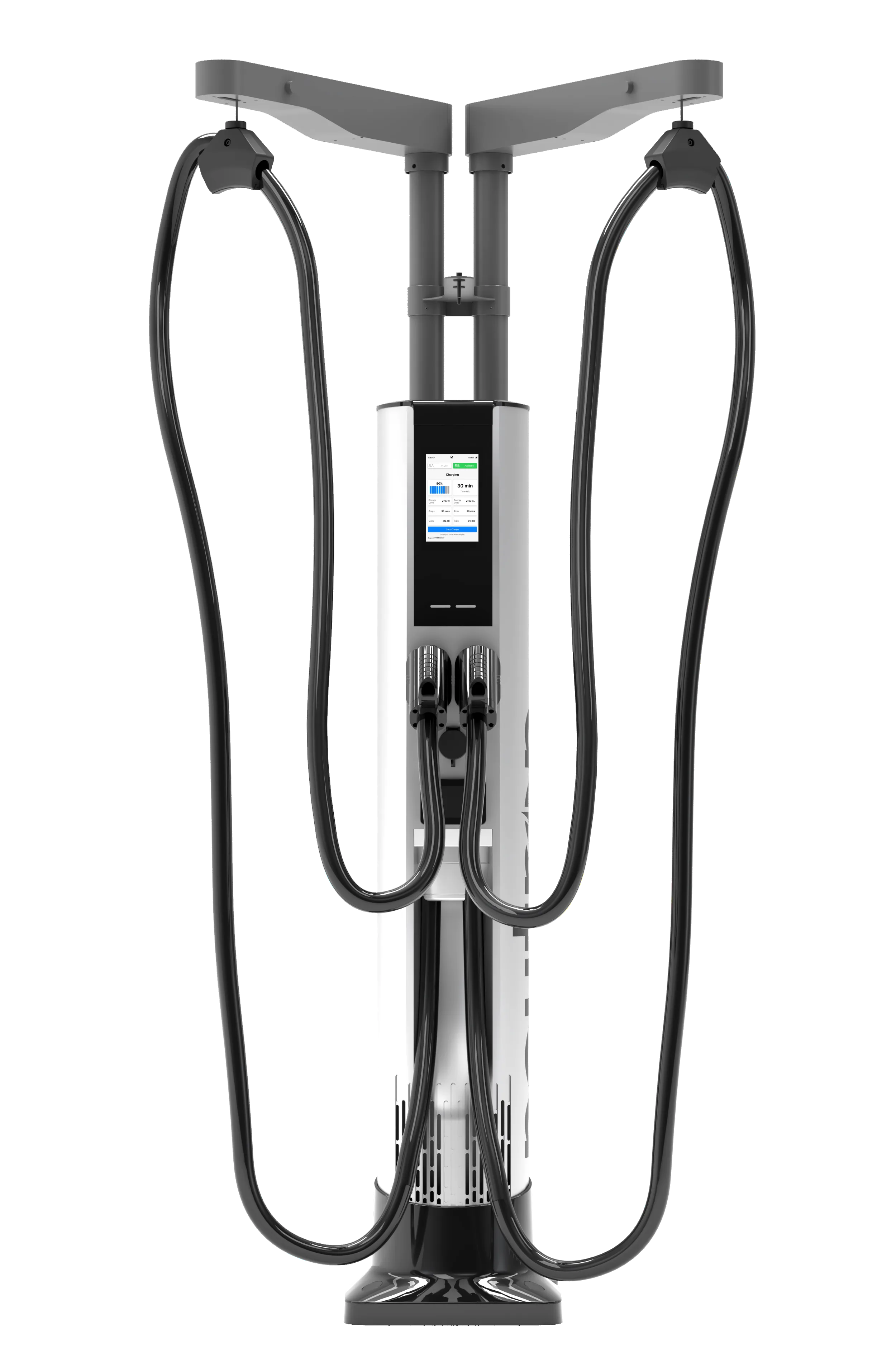
60 kW to 200 kW CCS2 DC charging terminals for electric HGVs and large commercial vehicles. Master Unit architecture distributes power across bays dynamically, maximising throughput within the DNO limit.
View DC terminals
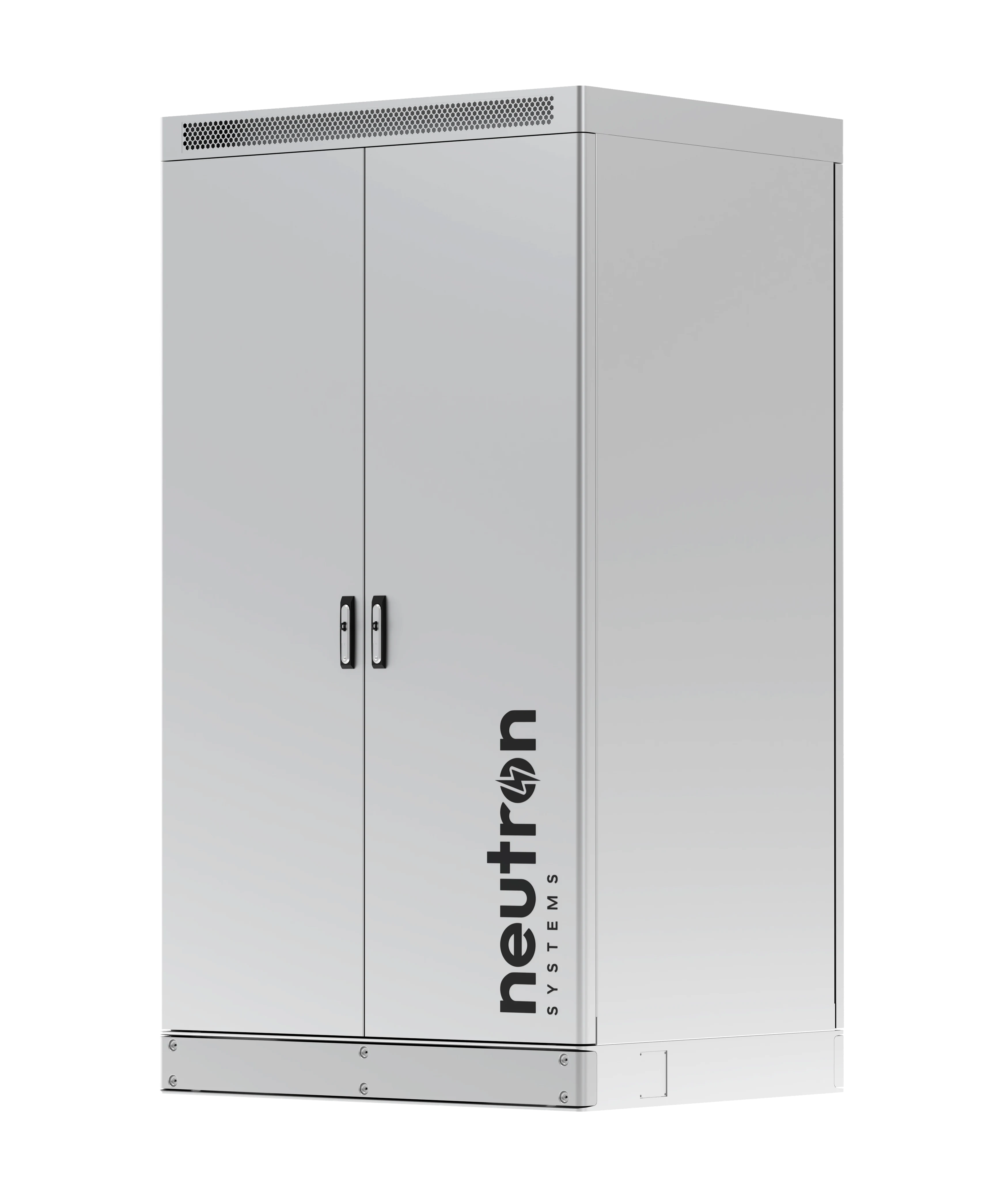
Power Hub BESS units absorb cheap overnight energy and discharge during peak return periods, effectively doubling the charging capacity available within a constrained DNO connection.
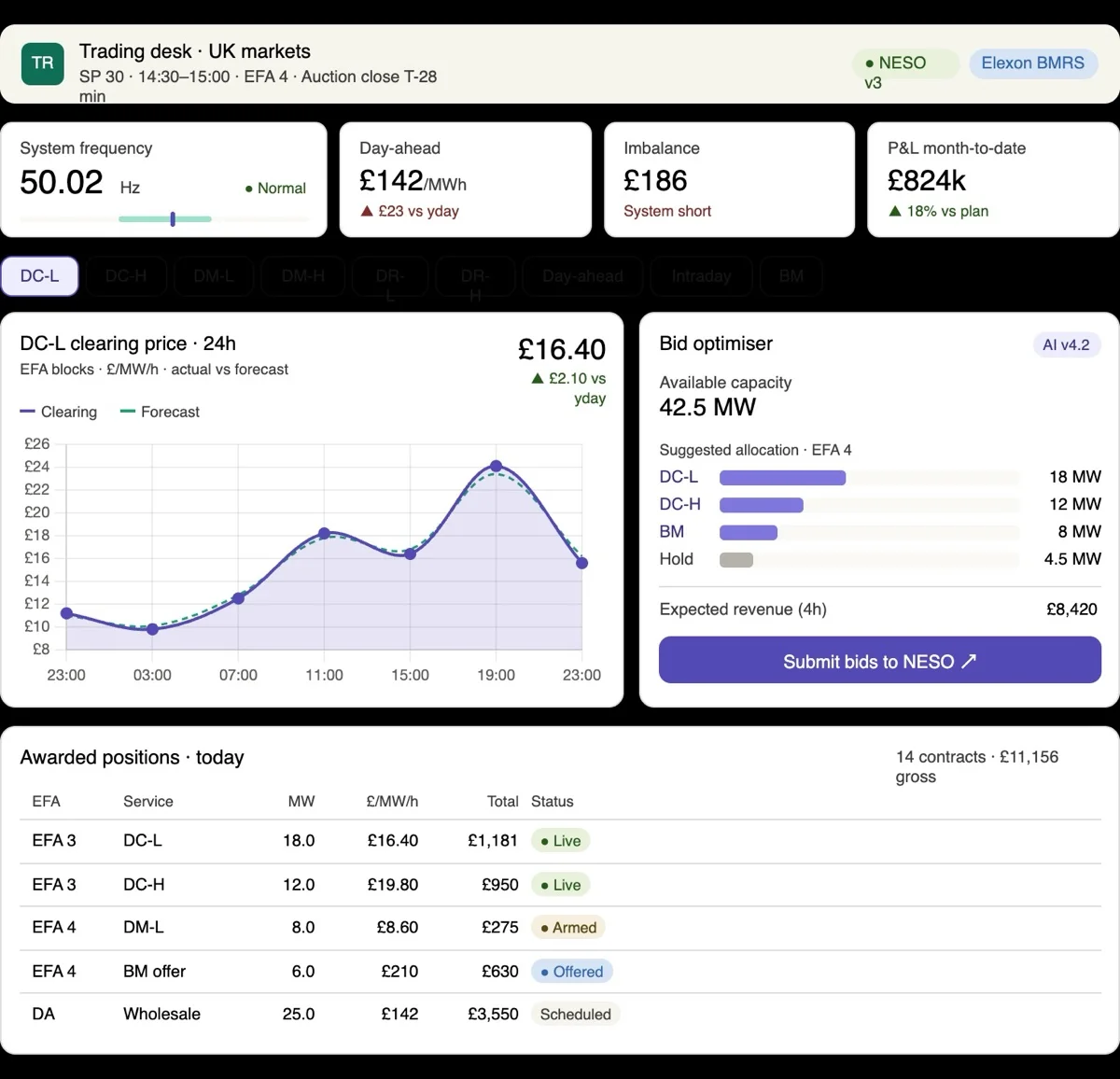
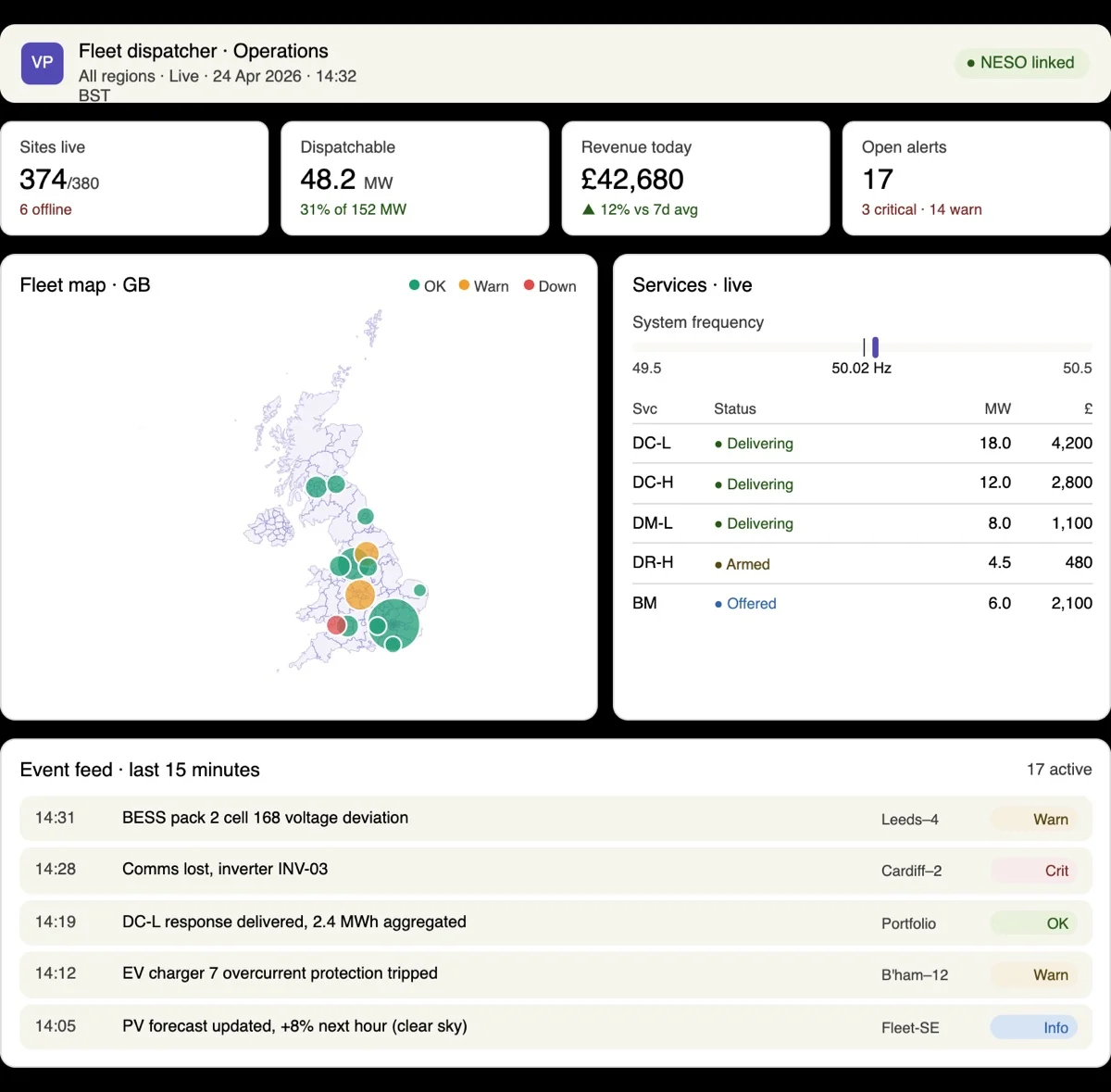
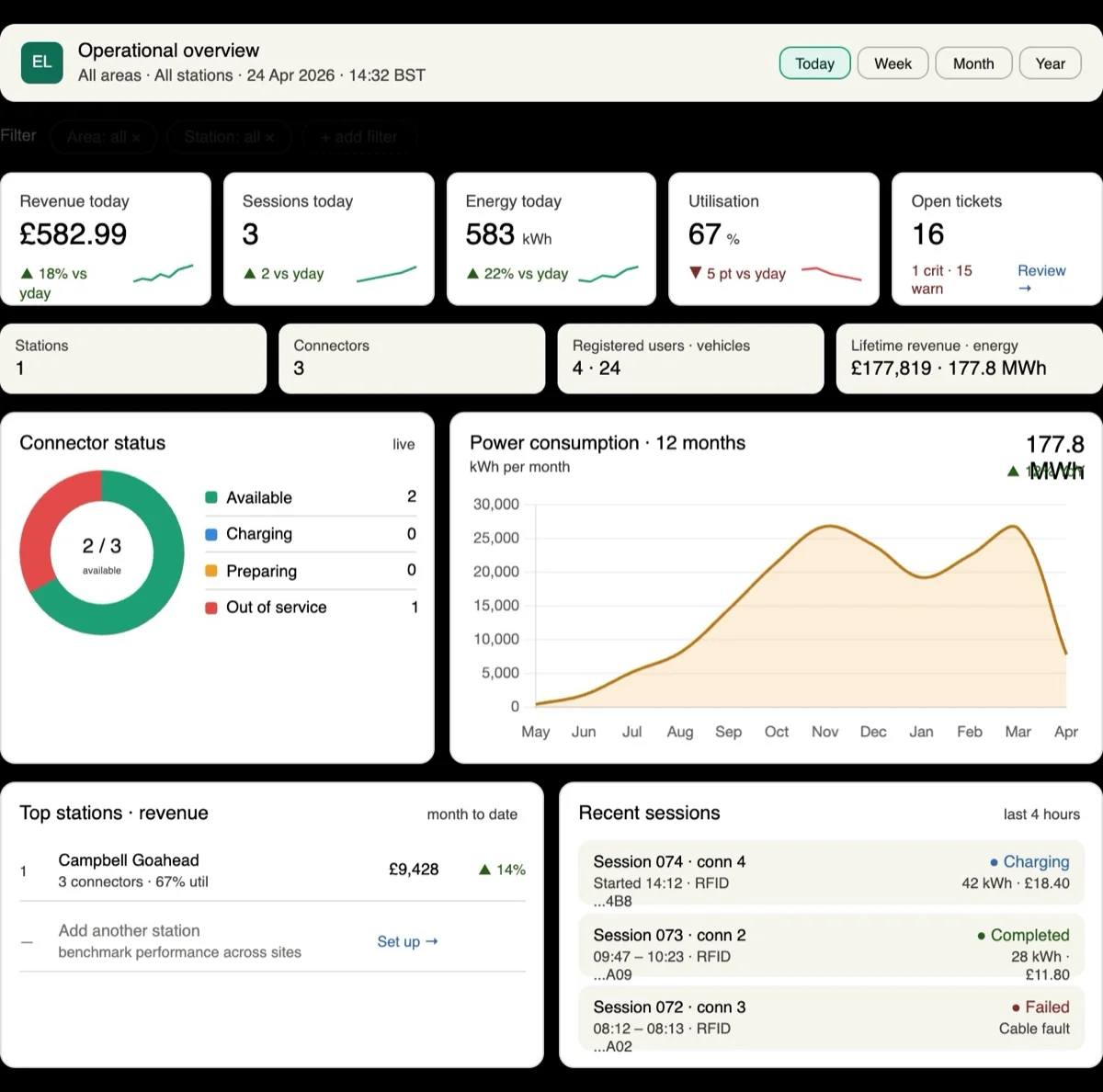
View Power HubElectron CMS and Grid EMS platform connects to your Transport Management System via REST API. Each evening, it ingests tomorrow's route assignments, calculates required departure SOC per vehicle, and builds a full charging schedule, prioritising vehicles with early departures and longest routes, staying within the DNO limit at all times.
Neutron logistics charging infrastructure qualifies for UK and EU government funding, reducing upfront capital costs and accelerating the business case for electrification.
The OZEV Depot Charging Scheme covered 70% of eligible charge point and civil costs in Window 1 (up to £1 million per organisation); Window 2 is expected to open on 28 October 2026, with terms to be confirmed. Neutron handles the full grant application process: from eligibility assessment to post-installation reporting.
Neutron manages the full project: grant application, DNO connection, civil works, hardware installation, TMS integration, and driver onboarding, so your operations team stays focused on deliveries.
Vans return between 18:00 and 21:00 and must leave by 06:00, so charging is planned around that shift pattern rather than the fastest charger, and staggered across the window. Smart scheduling uses TMS route data to decide which vehicles charge when, so each one is ready for its first route without exceeding the depot's connection limit.
Vans typically charge on AC (Type 2) and HGVs on DC (CCS2), because their power needs differ. A mixed depot combines both, and battery storage can support sites where the grid connection is limited.
Managed charging helps. Unmanaged charging can breach a depot's DNO connection limit, which is often below 500 kW, so smart scheduling spreads the load across the overnight window and battery storage can add headroom. A site assessment confirms what is possible at each depot.
We'll model your depot, size the system, support your grant application, and get you fully charged, at no cost to get started.
Product enquiries, project scoping, and partnership opportunities. Our engineering team responds within one business day.