Fleet DC Charging

Fleet Charger and Depot Charging Systems.

Modular master-satellite architecture delivers maximum power with minimum footprint. Built for logistics, bus, and commercial fleet operators.

Eligible for ZEBRA 2.0 LEVI Fund
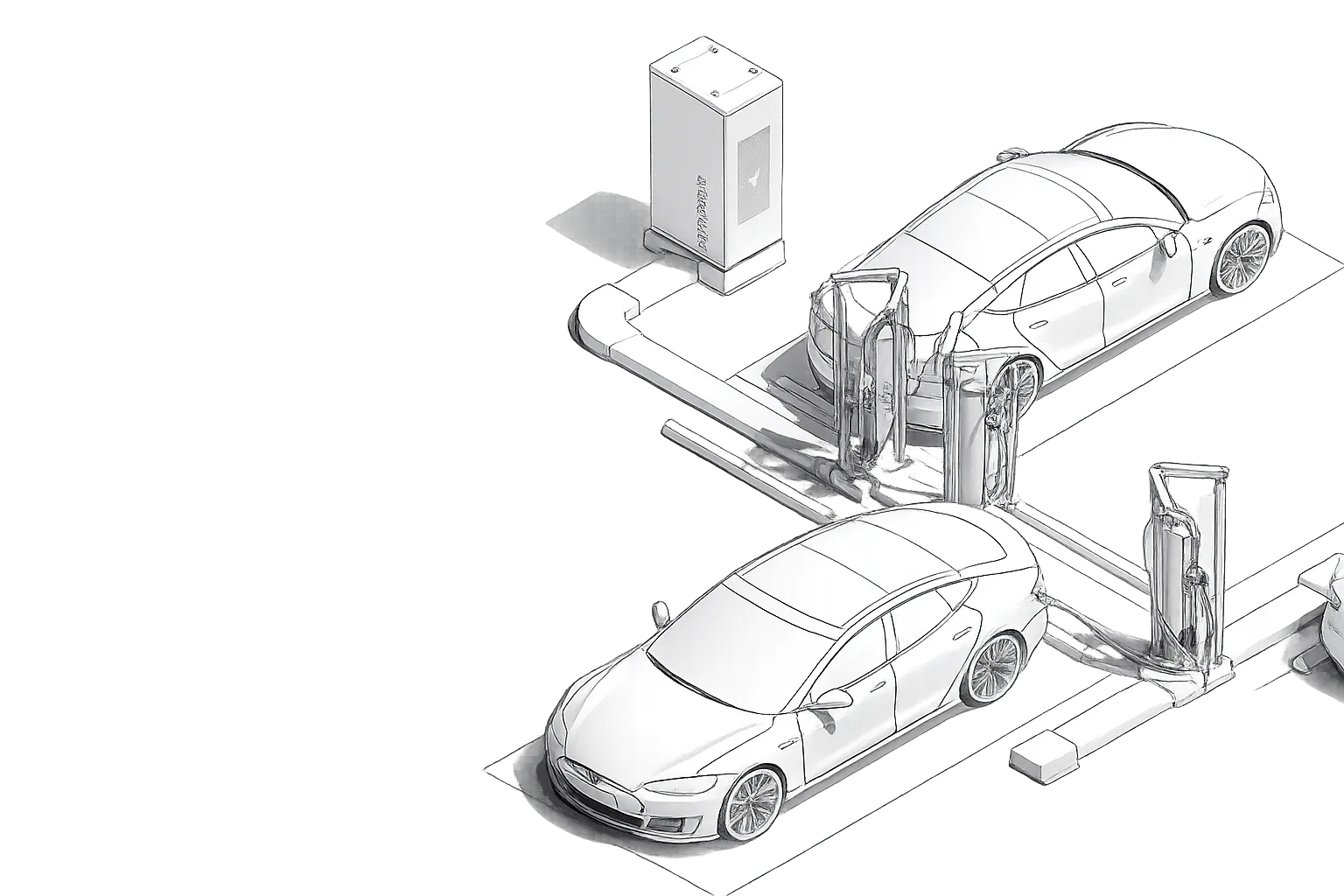
Centralised power.
Distributed charging.

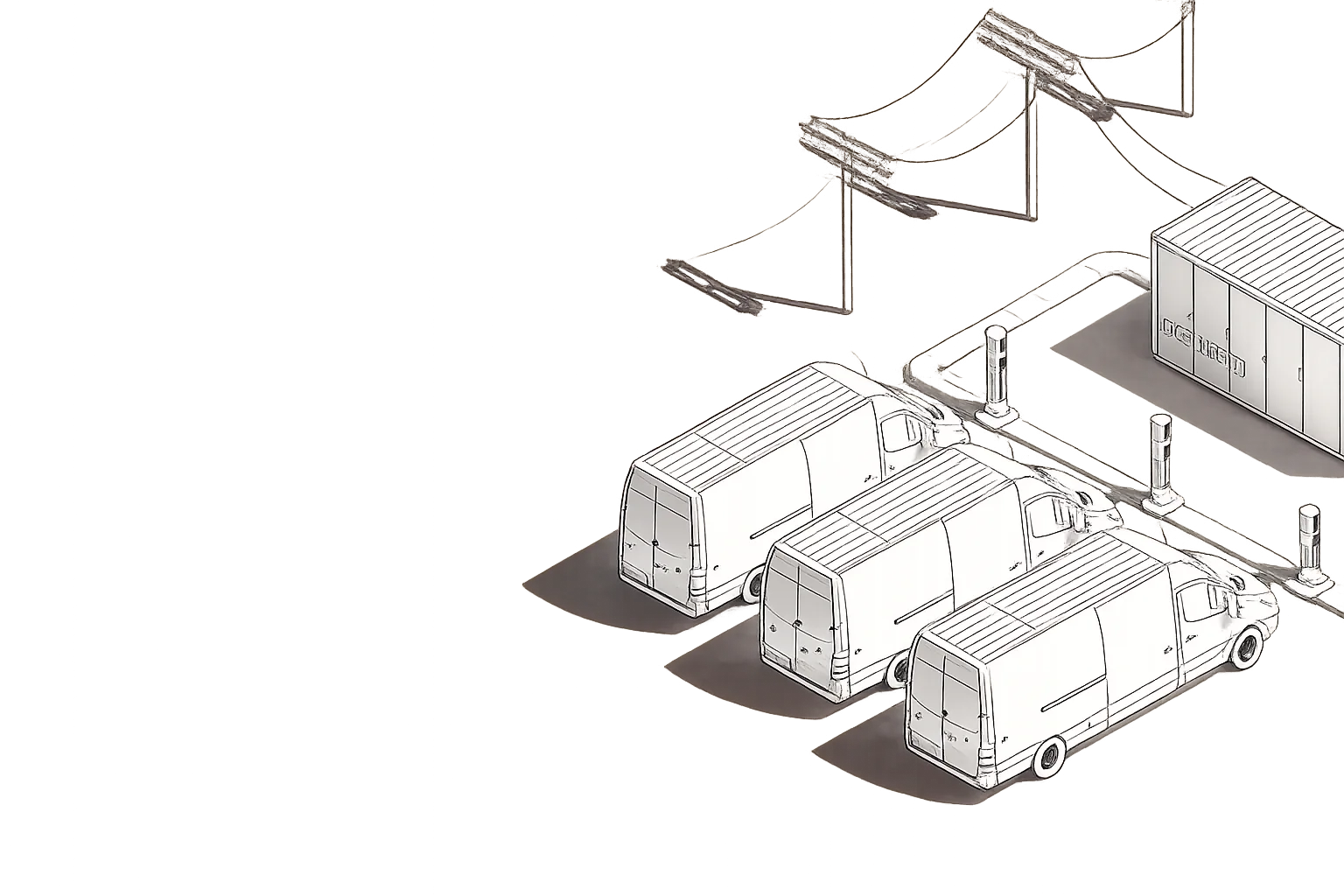
One 480 kW master unit supports up to 3 dual-connector terminals or 6 single-connector terminals. Dynamic power sharing ensures every bay gets what it needs, with zero wasted capacity.

480kW
Master Output
3–6
Terminals
200kW
Per Terminal
Neutron Systems EV Fleet Charging Architecture — Master Unit with satellite terminals and electric vans
Master Unit
480 kW
Terminal 2
200 kW
Terminal 1
200 kW
Terminal 3
200 kW

Master + terminals.
Built for the depot.

A single Master Unit powers up to six satellite terminals across your depot. The system scales as your fleet grows: add terminals without replacing the power core. Solar and BESS integration available to cut grid dependency further.

  • One 480 kW master powers up to 6 × 200 kW terminals
  • BESS integration — charge overnight, peak shave by day
  • Solar PV ready — draw from rooftop before grid
  • Managed via Electron CMS — live dashboard, scheduling

300 kW per bay.

Two terminal variants share the same 240/480 kW power module: choose the configuration that fits your site layout.

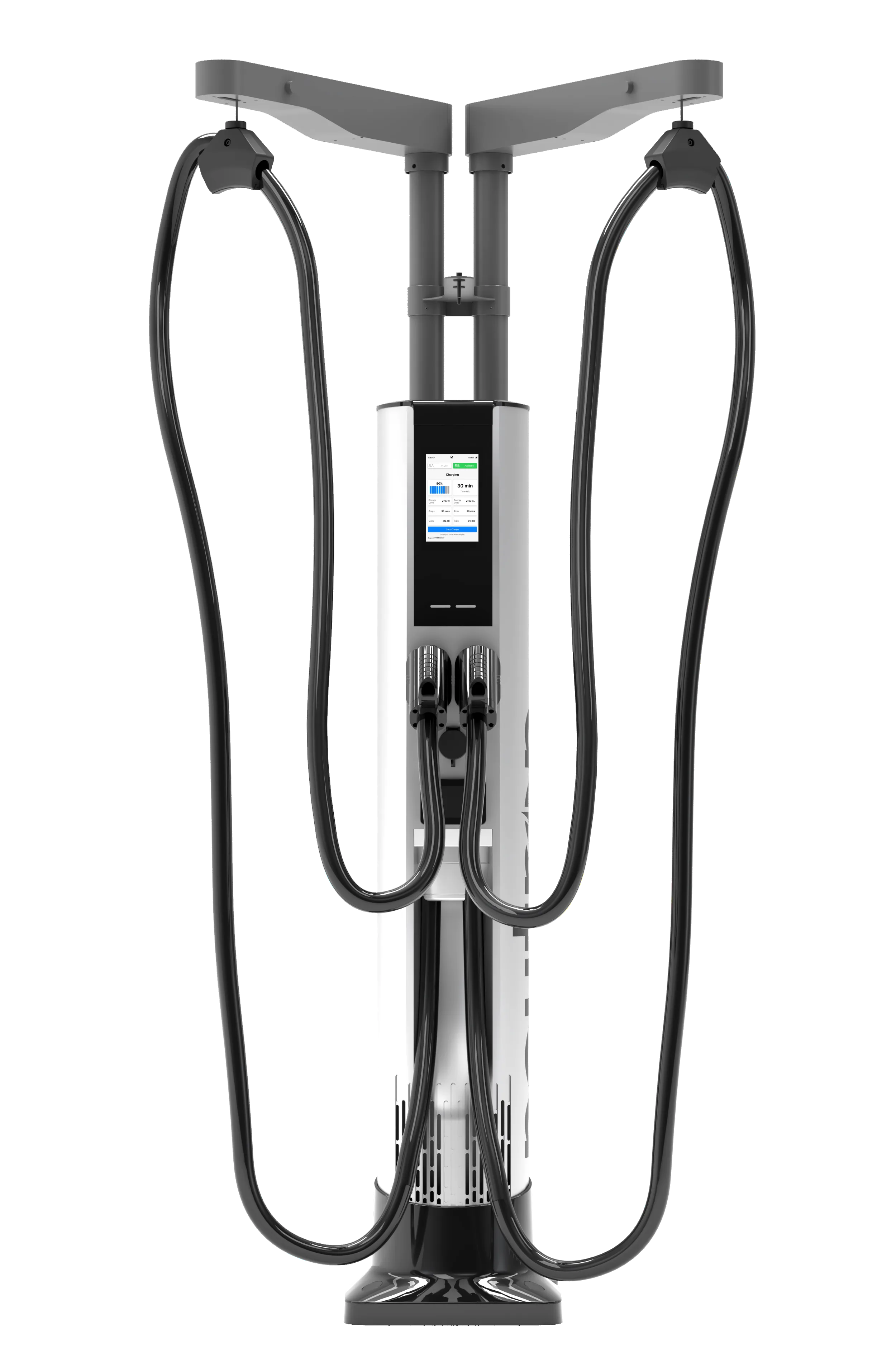
NSNF0010DC DC Satellite Terminal
DC Satellite Terminal
NSNF0010DC

Dual-gun satellite terminal connected to a centralised master unit via DC bus. Up to 2 vehicles simultaneously.

CCS2
Output Power200 kW (shared)
Output Voltage200–1000 V DC
Output CurrentMax 500 A
Connectors2 × CCS2
ProtectionIP54 / IK10
CommunicationOCPP 1.6J / 2.0
Display7" colour touchscreen
Full Specifications
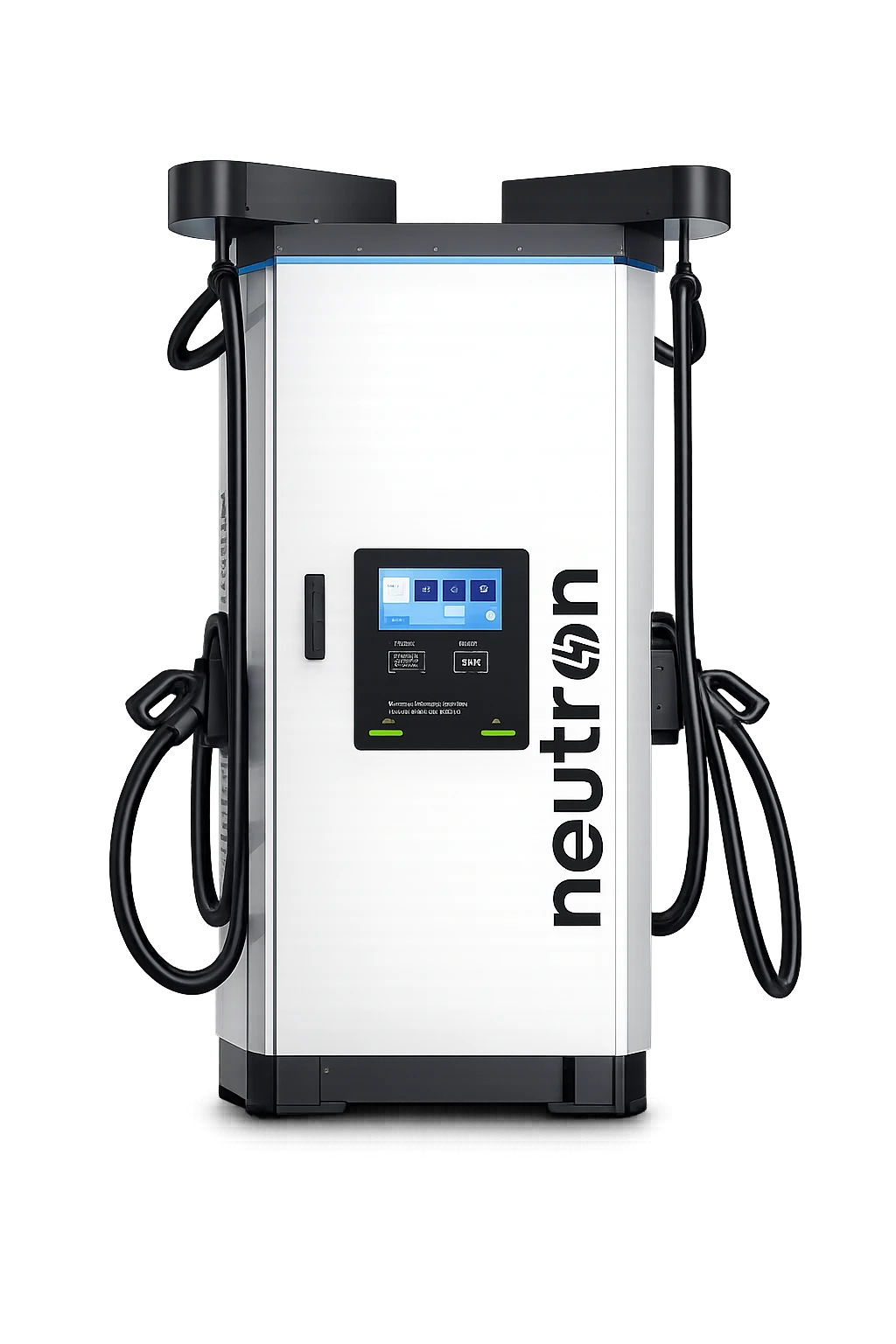
NSNF0011SC Standalone DC Terminal
Standalone DC Terminal
NSNF0011SC

Integrated 200 kW standalone terminal with built-in power module. No separate master unit required, ideal for smaller deployments.

CCS2
Output Power200 kW
Output Voltage200–1000 V DC
Output CurrentMax 500 A
Connectors2 × CCS2
ProtectionIP54 / IK10
CommunicationOCPP 1.6J / 2.0
Display7" colour touchscreen
Full Specifications

The power core.

Master units convert AC grid supply to DC and distribute power intelligently across satellite terminals. Available in 240 kW and 480 kW configurations.

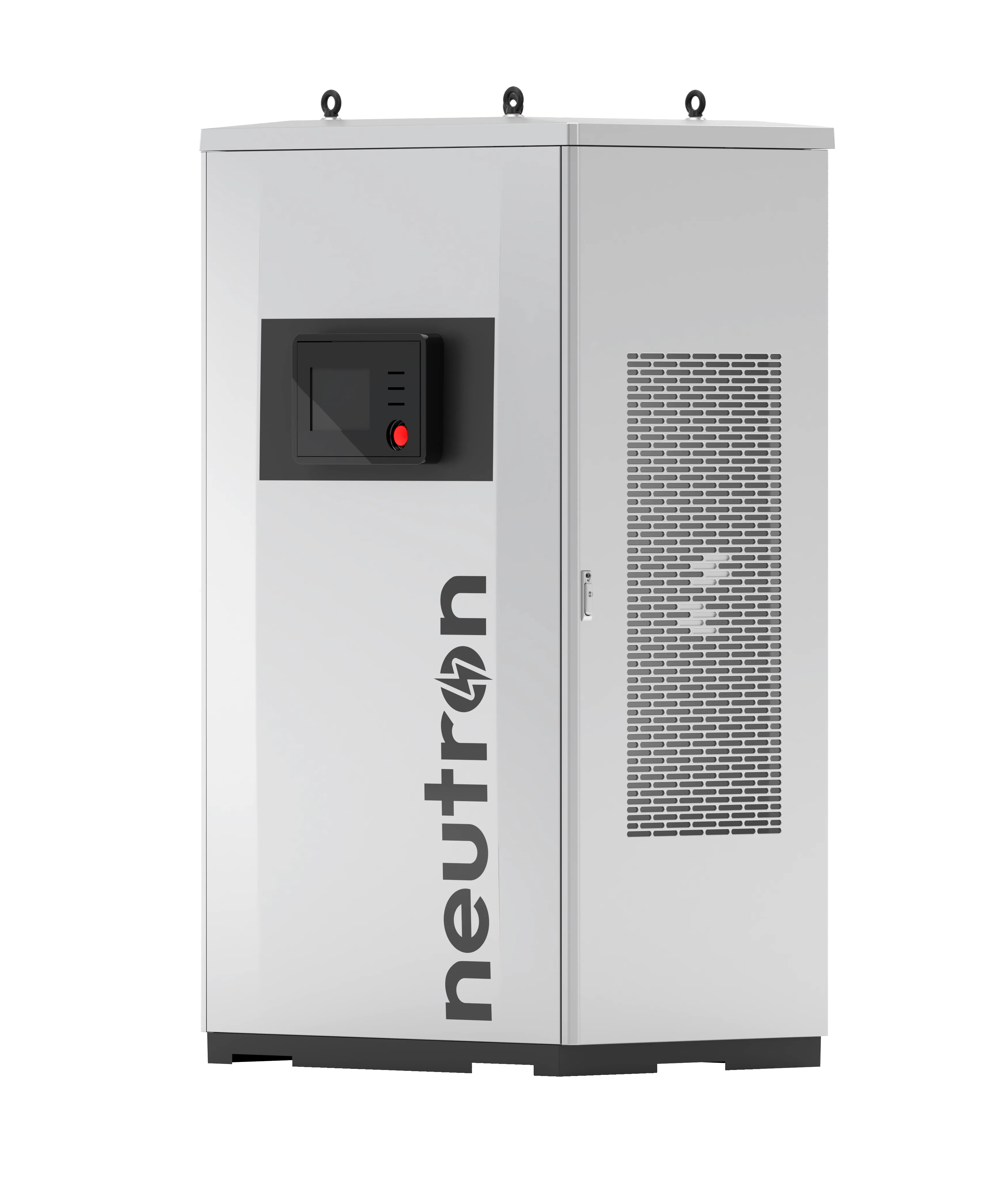
NSNF0020MU240LCD 240kW Master Unit
Master Unit
NSNF0020MU240LCD

240 kW centralised master unit with integrated LCD display panel. Powers up to 4 satellite terminals with dynamic load sharing.

Rated Power240 kW
AC Input3-phase, 400 V AC
DC Output Voltage200–1000 V DC
Efficiency≥ 96%
ProtectionIP54
DisplayIntegrated LCD status panel
CommunicationEthernet, RS485, CAN
Full Specifications
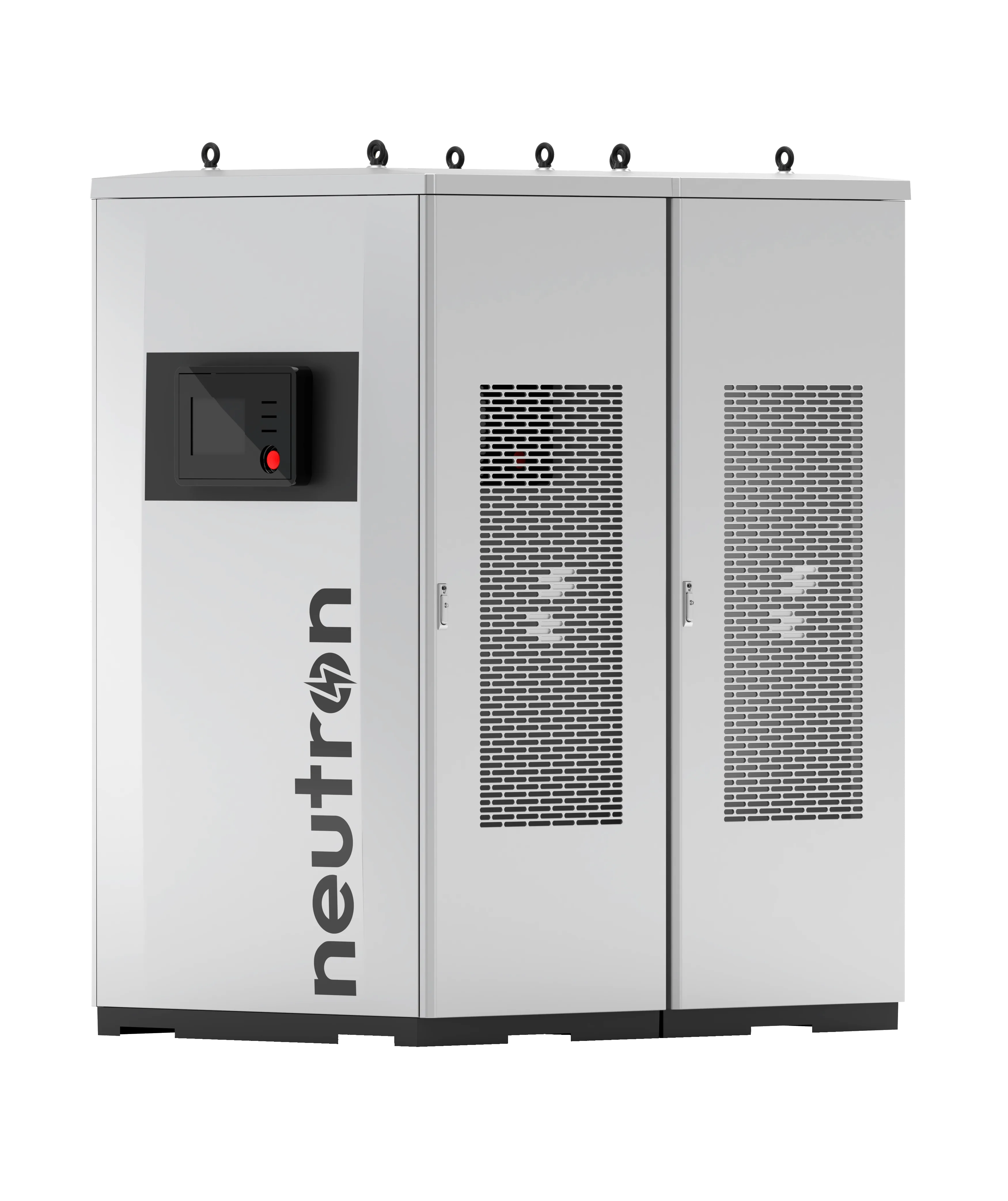
NSNF0021MU480LCD 480kW Master Unit
Master Unit — High Power
NSNF0021MU480LCD

480 kW ultra-high-power master for large depots. Supports up to 6 satellite terminals with intelligent priority charging.

Rated Power480 kW
AC Input3-phase, 400 V AC
DC Output Voltage200–1000 V DC
Efficiency≥ 96%
ProtectionIP54
DisplayIntegrated LCD status panel
CommunicationEthernet, RS485, CAN
Full Specifications

Hardware designed
to work together.

Modular Group Charging System
One master.
Seven ways to charge.

A single Master Unit distributes power intelligently across any combination of satellite terminals. Scale from 240 kW to 960 kW by adding modules: no civils, no hardware replacement.

240–960kW
System output
7
Terminal types
≥96%
Efficiency
View MGCS
Rapid Deployment Base System
No excavation.
Operational in days.

Surface-mounted modular bases bolt to any concrete or paved surface with M12 expansion bolts. Above-ground cable trunking replaces buried conduit entirely, working in underground and multi-storey structures.

60%
Shorter build
50%
Lower civil cost
Zero
Excavation
View Rapid Deployment →

Designed for
every depot layout.

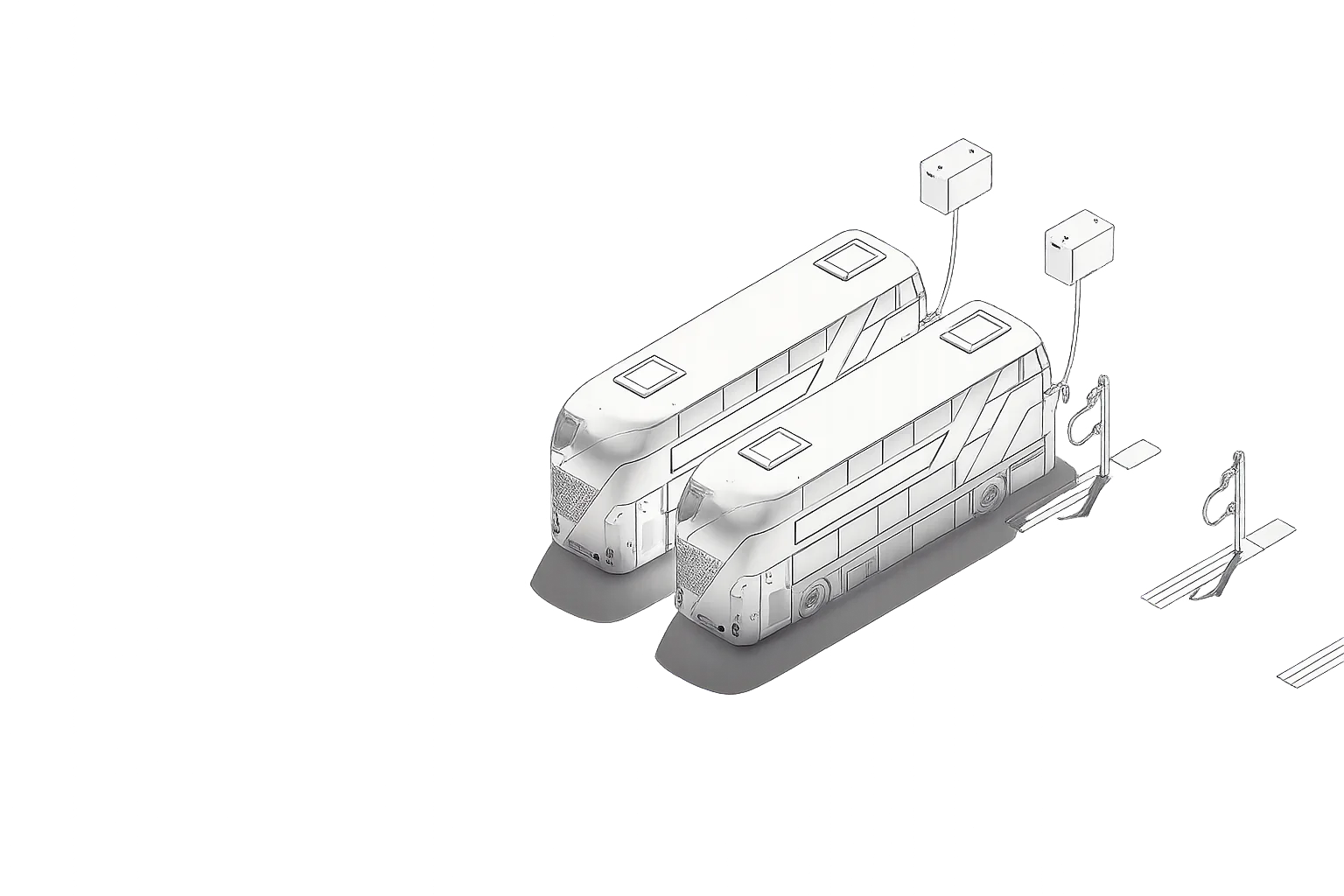
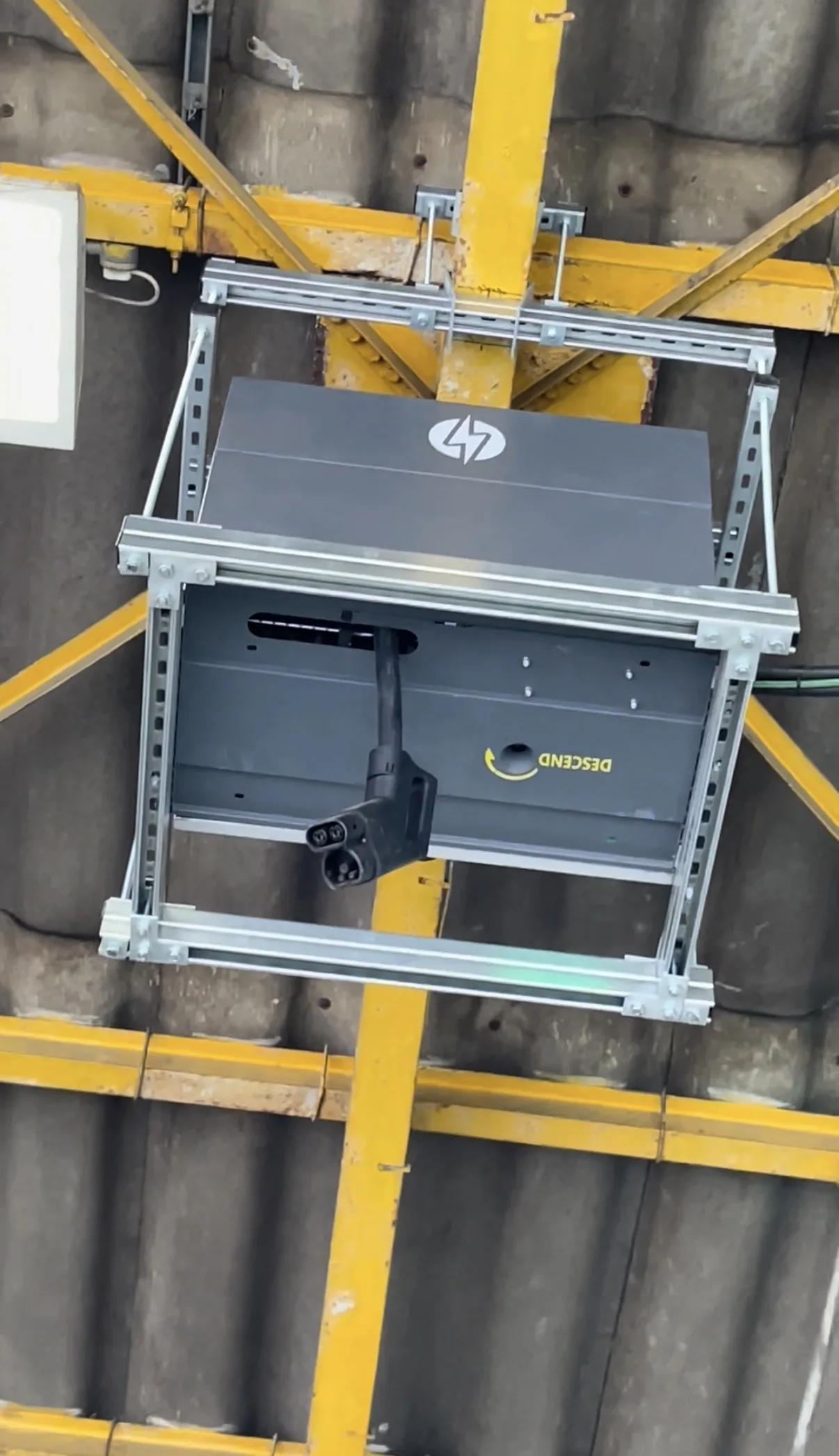
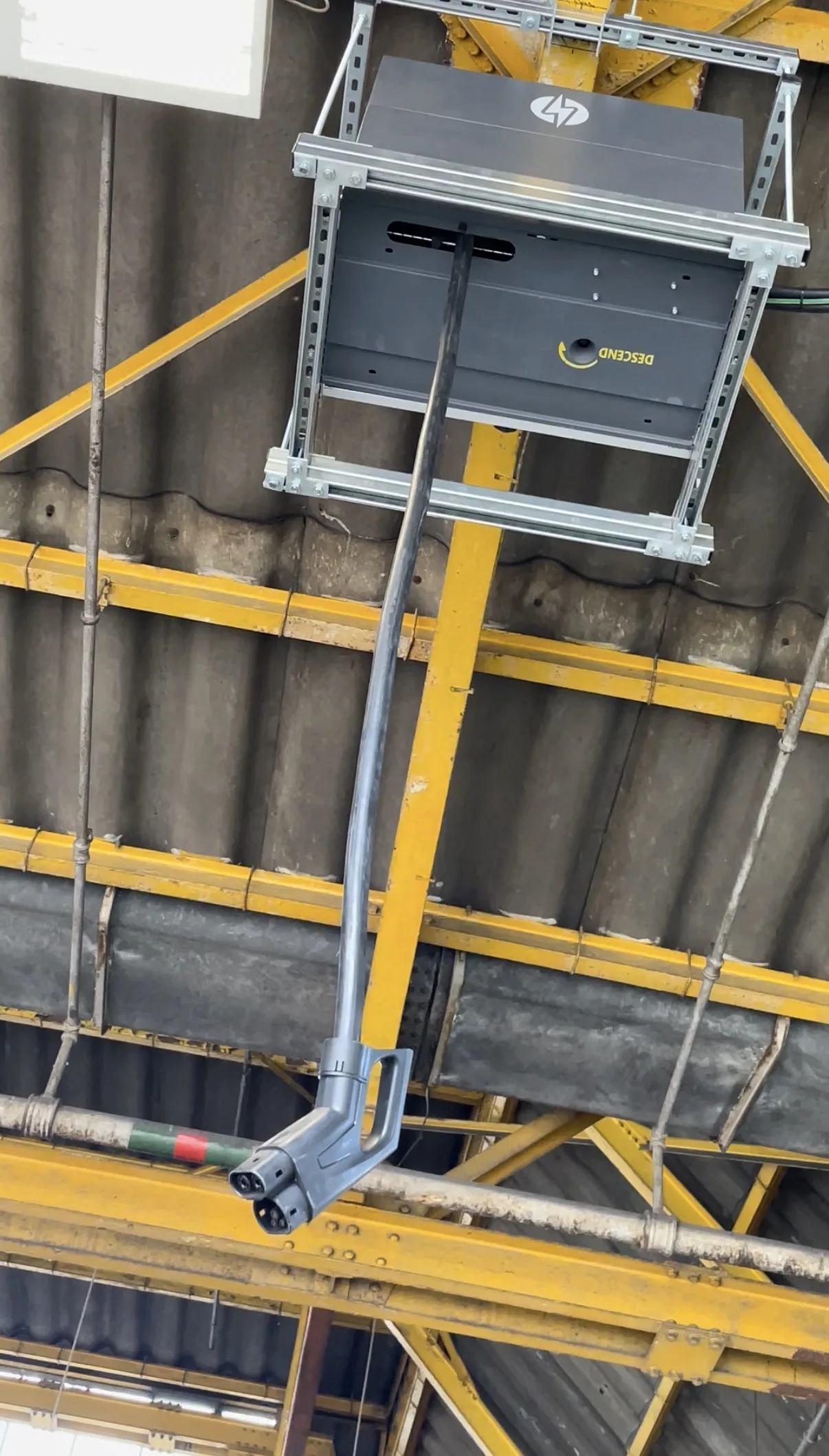
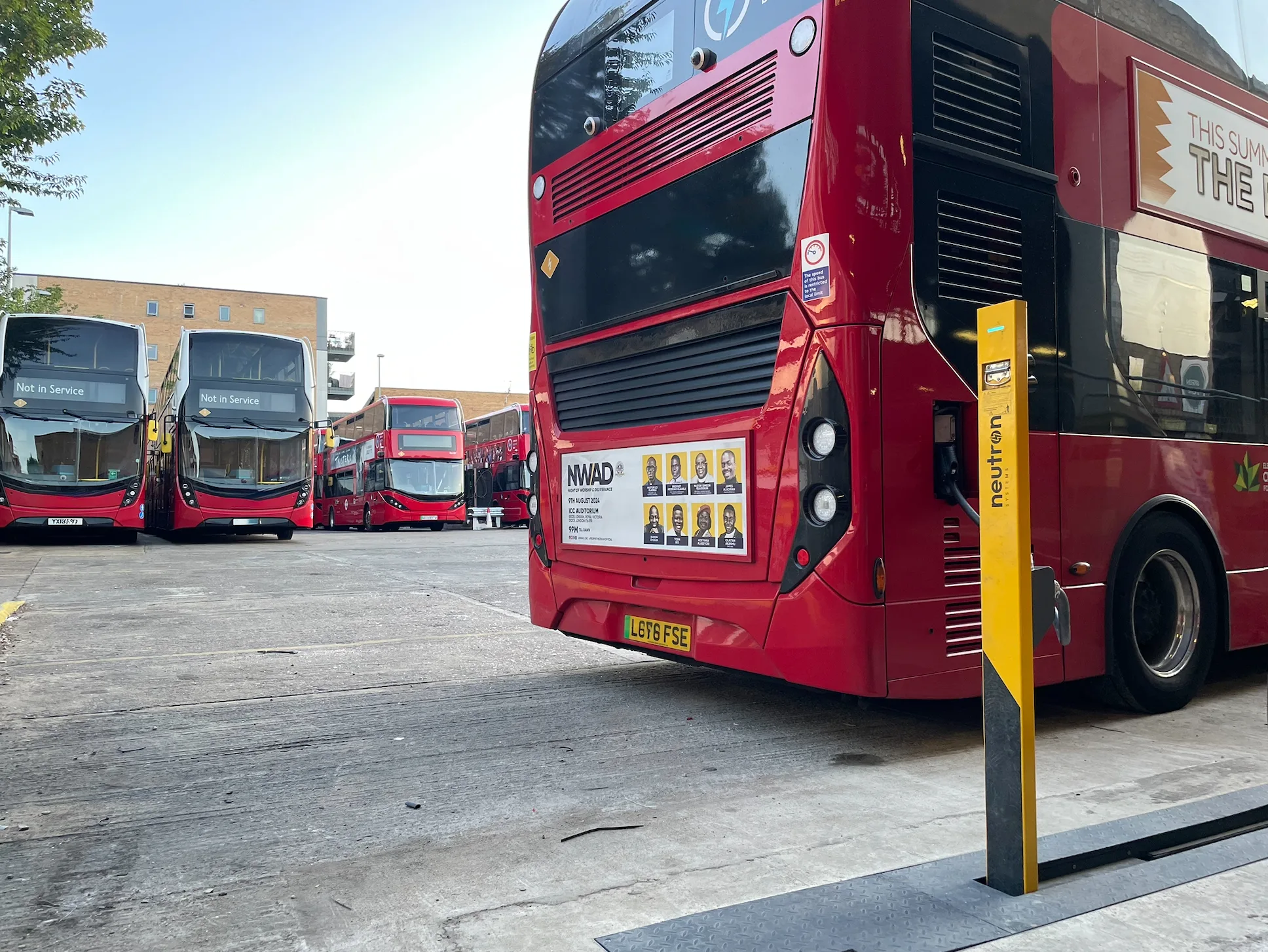
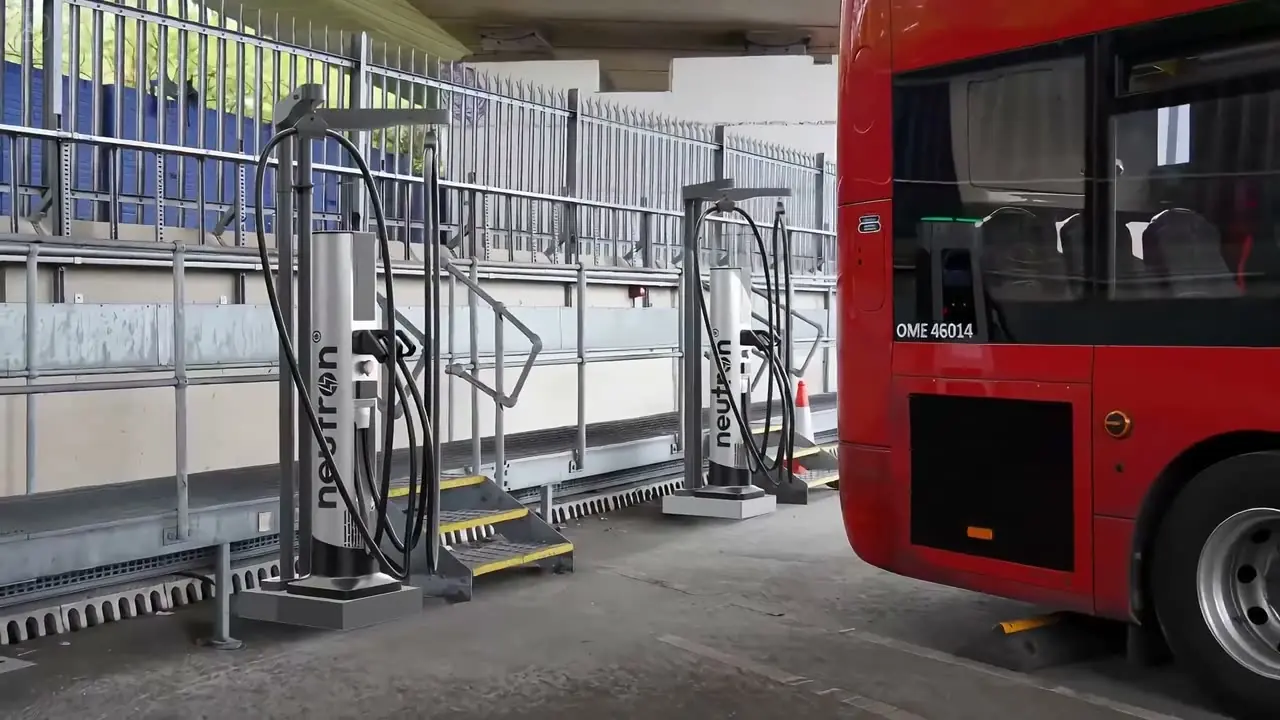
When standard side-mounted cables don't fit, Neutron offers two alternative connector architectures (overhead drop-down and in-ground retractable) engineered for high-density bus, coach, and truck depots.

Electric buses at Neutron charging station
In-ground charger deployed
01
Deployed & Connected
In-ground charger in rain
02
All-Weather IP67
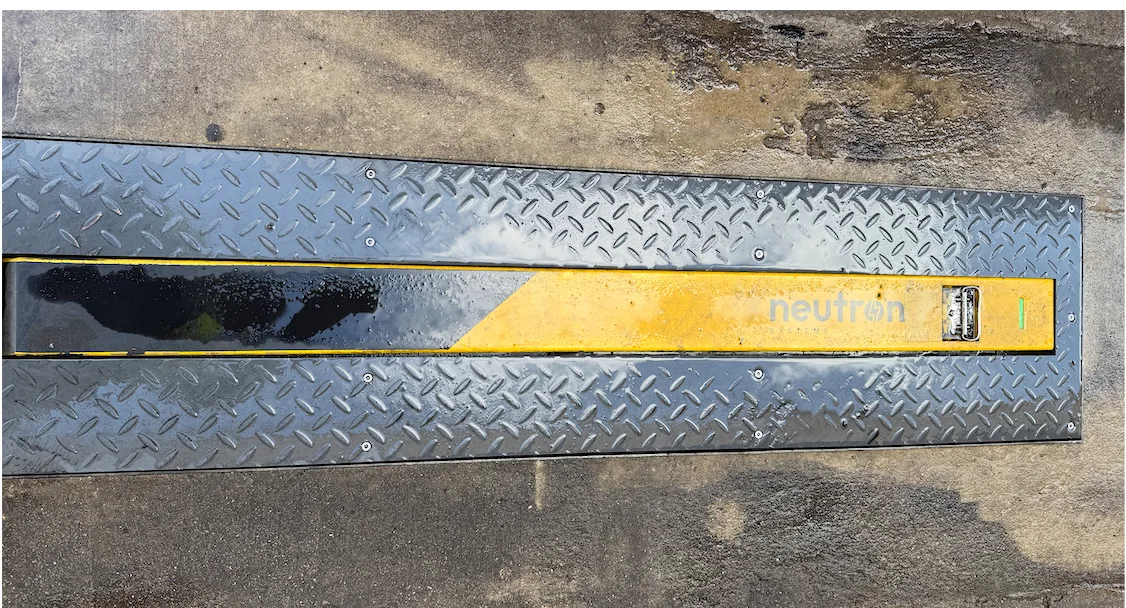
In-ground charger flush closed
03
Flush Closed
NSNF0015GRC

Neutron In-Ground Charging

A flush-mounted in-ground connector unit that sits level with the depot floor when not in use, eliminating all trip hazards and cable obstruction. The connector rises automatically when a vehicle enters the bay, presenting the CCS2 plug at a convenient height for connection.

Mount Type
In-Ground, Flush
Floor IP Rating
IP67
Connector
CCS2
Max Current
500 A DC
ModelNSNF0015GRC
InstallationIn-ground flush mount — concrete or composite floor
Resting PositionFully flush — zero protrusion above floor level
Extended Height750 mm above floor (to connector handle)
Connector TypeCCS2 (IEC 62196-3)
Max Continuous Current500 A DC
Floor Enclosure RatingIP67 — waterproof flush unit
Connector HousingIP54
ActuationElectromechanical — triggered by vehicle detection or manual
Axle Load Rating20 tonne — suitable for bus and HGV overhead pass
Compatible TerminalsNSNF0010DC, NSNF0011SC
DrainageIntegrated drain channel — no water ingress
Civils RequiredPit installation — 2000 × 600 × 600 mm min.
Best suited for
  • High-footfall public areas requiring a completely hazard-free floor surface
  • Tight depot layouts where wall or overhead infrastructure is impractical
  • Bus stations and transit hubs where aesthetic matters
  • Outdoor charging areas requiring maximum weather protection
Request Specification View Product Page

Compare connector solutions

Feature Standard Side Mount NSNF0014DDC Drop-Down NSNF0015GRC In-Ground
Floor obstructionCable on floorNone (overhead)None (flush ground)
Ceiling clearance req.Min. 4.5 mNot applicable
Civil worksMinimalOverhead track installIn-ground pit required
Trip hazardYes (cable routing)NoNo
IP rating (floor/ground)IP44 overhead unitIP67 flush unit
Axle load rated20 tonne
Auto-retractYesYes
Best forStandard depotsBus / coach, high-ceiling depotsPublic areas, outdoor, tight layouts
Not sure which connector solution fits your depot?
Our engineering team will assess your site layout, ceiling height, floor construction, and vehicle type to recommend the right solution.
Request Site Assessment
Vehicle-to-Grid fleet charging illustration

Parked vehicles.
Active revenue.

Neutron V2G-enabled chargers turn parked fleet vehicles into dispatchable grid assets. Using Electron CMS, energy drawn from vehicle batteries is sold back to the grid during peak demand, creating new revenue streams without compromising fleet readiness.

  • Bi-directional power flow — charge and discharge
  • FFR, DC, BM participation via Electron CMS
  • Guaranteed departure SOC — fleet never compromised
  • Suitable for bus, van, and truck depots
Talk to an Engineer

All Fleet DC models.

Model Type Power Connectors Protection OCPP
NSNF0010DC DC Satellite Terminal 200 kW shared 2 × CCS2 IP54 / IK10 1.6J / 2.0
NSNF0011SC DC Standalone Terminal 200 kW 2 × CCS2 IP54 / IK10 1.6J / 2.0
NSNF0020MU240LCD Master Unit 240 kW output IP54
NSNF0021MU480LCD Master Unit (High Power) 480 kW output IP54
NSNF0014DDC Drop-Down Connector CCS2 IP44
NSNF0015GRC In-Ground Retractable CCS2 IP67
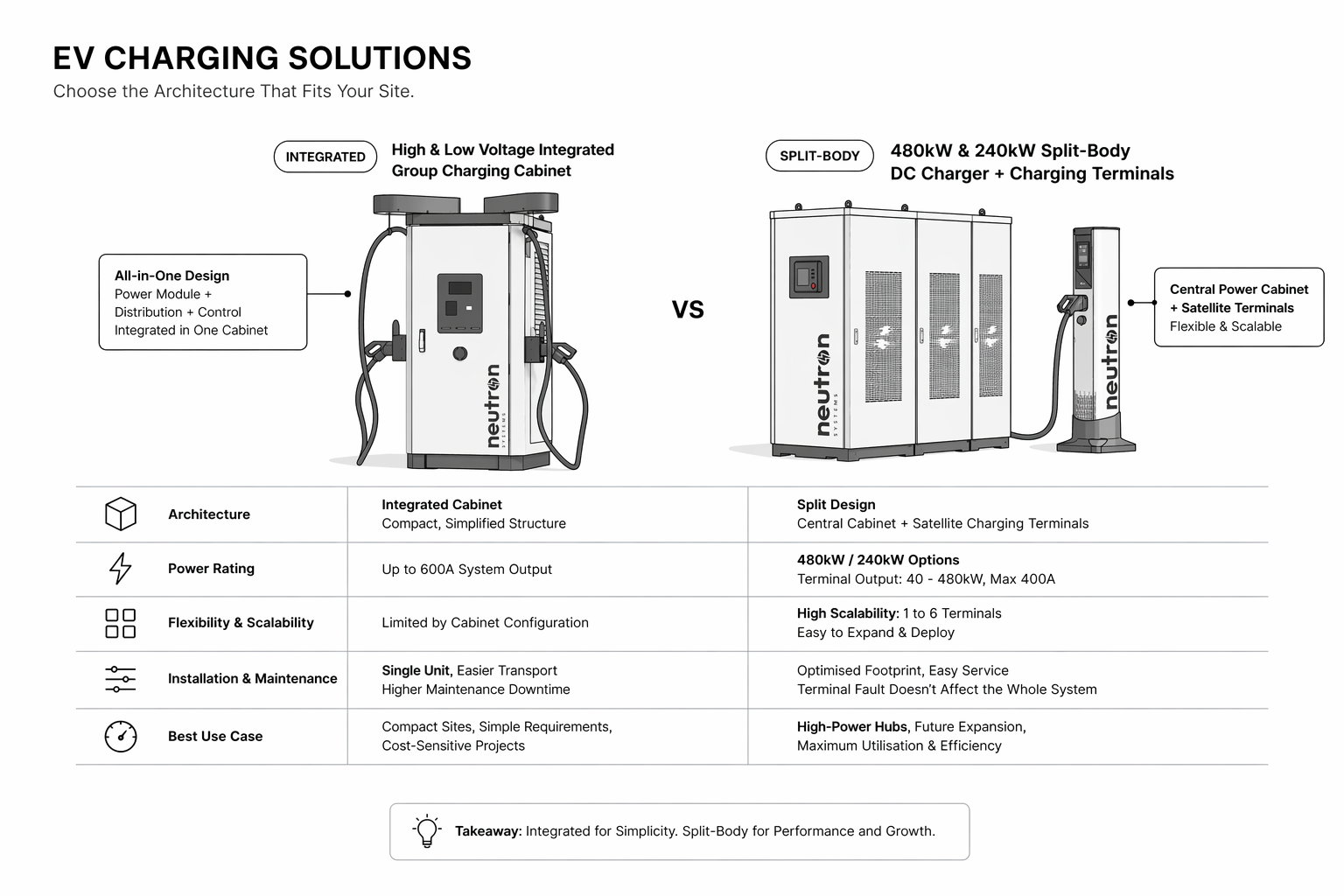
EV Charging Solution Comparison — Integrated vs Split-Body Architecture
Master-Terminal Architecture: Scaling Fleet Depot Charging to 4MW → OZEV Depot Charging Grant Guide →

Frequently Asked Questions

What vehicles does Neutron fleet depot charging support?

Neutron's fleet depot charging infrastructure supports electric buses, electric coaches, electric vans, electric HGVs, and electric passenger cars. The Master-Terminal architecture is vehicle-agnostic — DC satellite terminals connect to any vehicle with a CCS or CHAdeMO connector, and the system supports OCPP 2.0.1 for interoperability with different vehicle types.

Can I get a government grant for fleet depot EV charging?

Yes. UK fleet operators may be eligible for government grant schemes. The LEVI Fund (Local Electric Vehicle Infrastructure) offers up to £75,000 for eligible logistics operators. Bus operators may also access ZEBRA 2.0 scheme funding, which covers zero-emission buses and supporting depot infrastructure. The OZEV Depot Charging Scheme closed on 30 June 2026 — speak to our team for guidance on the current funding landscape.

How long does it take to install a fleet depot charging system?

Neutron's rapid deployment model can deliver a first-phase fleet charging system live within 60 days of order confirmation. Containerised power conversion units arrive pre-wired and pre-tested, minimising on-site installation time. The total timeline for a complete multi-bay depot depends on civil works scope, DNO connection lead times, and site-specific factors.

Do I need to upgrade my grid connection for fleet depot charging?

Not necessarily. Neutron's dynamic load balancing software distributes available grid capacity intelligently across all charging bays, maximising the use of your existing connection. For sites where grid capacity is a constraint, Neutron can model a battery energy storage (BESS) solution as an alternative to a costly DNO connection upgrade. A free depot assessment will determine the optimal approach for your site.

Ready to design
your depot?

Tell us your site constraints and fleet schedule; we'll spec the right system.

Talk to an Engineer

Let's talk.

Product enquiries, project scoping, and partnership opportunities. Our engineering team responds within one business day.

Email
info@neutron-systems.com
Address

9 Mallow Street, London, EC1Y 8RQ
United Kingdom

Follow us